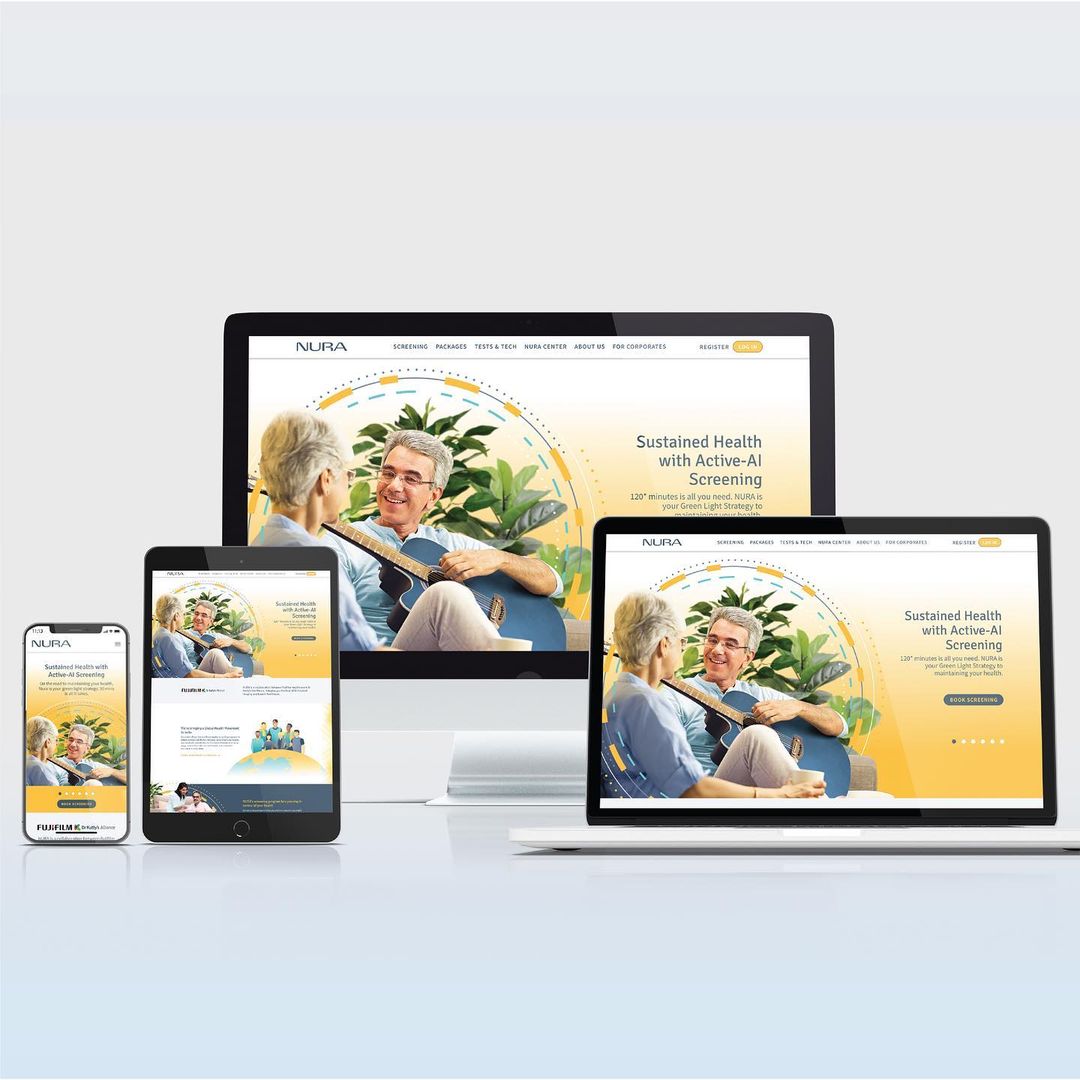
HEALTH & HOSPITALITY | SERVICE DESIGN & STRATEGY

HEALTH & HOSPITALITY | SERVICE DESIGN & STRATEGY

Designing a premium screening service for a healthy, proactive population

Designing a premium screening service for a healthy, proactive population

Fujifilm and DKHC, experts in healthcare imaging and hospitality, partnered to launch India's first cancer screening center, catering to proactive health seekers. They envisioned a premium, standalone experience that would provide safe, accurate, and quick screening for common cancers and lifestyle diseases in asymptomatic women and men.

Fujifilm and DKHC, experts in healthcare imaging and hospitality, partnered to launch India's first cancer screening center, catering to proactive health seekers. They envisioned a premium, standalone experience that would provide safe, accurate, and quick screening for common cancers and lifestyle diseases in asymptomatic women and men.

designed at
TIMELINE

November 2019 - February 2020 : 5 Months

TEAM

Researchers, Service Designers, Design Directors

Researchers, Service Designers, Design Directors

ROLE

Design Research, CX strategy, Installation Design, Service Touchpoints. Chimed in for designing specific parts of the Digital design.

CLIENT

Fujifilm and DKHC

DISCLAIMER

To comply with my non-disclosure agreement, I have omitted and obfuscated confidential information in this case study. All information in this case study is my own and does not necessarily reflect the views of Icarus, Fujifilm, DKHC.
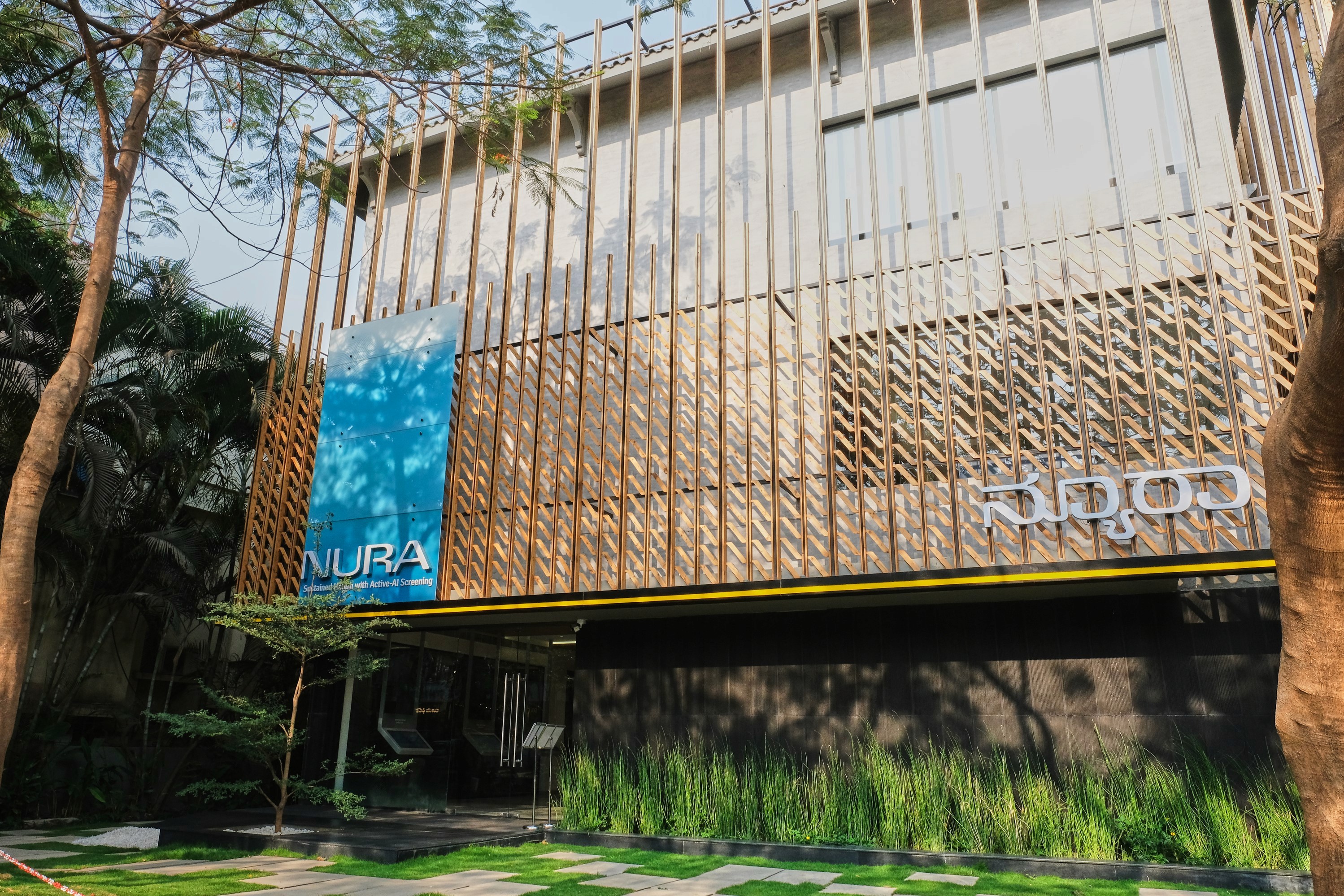
Introducing a new health practice
Challenge

Challenge

The majority of common cancers in India are typically detected at advanced stages of the disease, which negatively impacts survival rates. In contrast, Japan has seen improved cancer survival rates through early detection via periodic screening.

Fujifilm and DKHC wanted to introduce this first-of-a-kind service in India that could reflect high tech but at the same time feel human. They also wanted to translate the unfamiliar concept of "screening" into a familiar health practice, and create a space that left behind the typical imagery of a healthcare institution.

The majority of common cancers in India are typically detected at advanced stages of the disease, which negatively impacts survival rates. In contrast, Japan has seen improved cancer survival rates through early detection via periodic screening.

Fujifilm and DKHC wanted to introduce this first-of-a-kind service in India that could reflect high tech but at the same time feel human. They also wanted to translate the unfamiliar concept of "screening" into a familiar health practice, and create a space that left behind the typical imagery of a healthcare institution.

Outcome

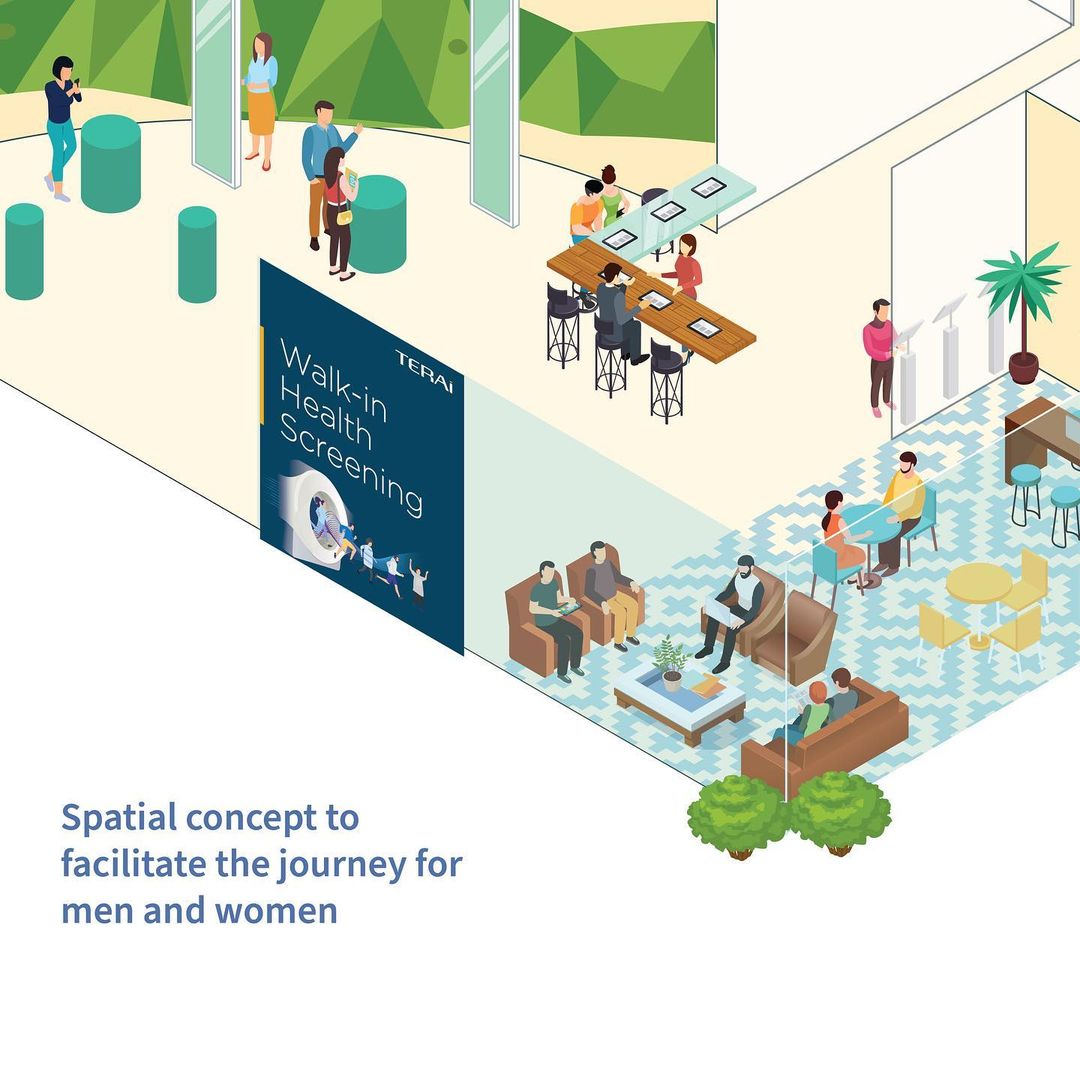
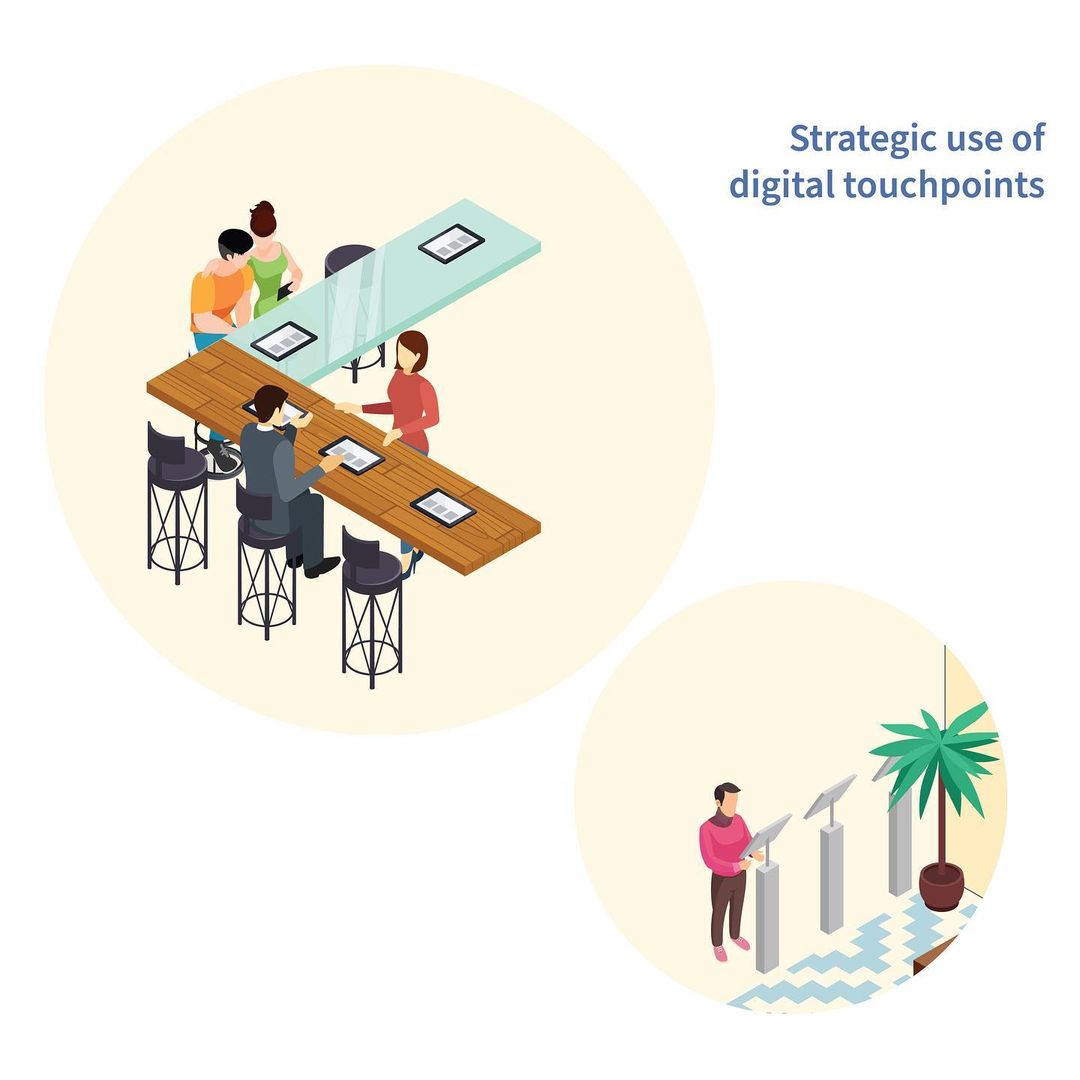
We successfully proposed a service model and delivered the blueprint to pilot a cancer screening center in Bangalore. We defined the service proposition, brand, customer experience, and service journey. We also created a spatial journey to support distinct journeys for both men and women, and designed digital touchpoints strategically to support these journeys. Finally, we briefed key business teams such as the Architects, Technology, Marketing, HR, Operations on the service concept so they could execute it effectively.

We successfully proposed a service model and delivered the blueprint to pilot a cancer screening center in Bangalore. We defined the service proposition, brand, customer experience, and service journey. We also created a spatial journey to support distinct journeys for both men and women, and designed digital touchpoints strategically to support these journeys. Finally, we briefed key business teams such as the Architects, Technology, Marketing, HR, Operations on the service concept so they could execute it effectively.

Role

As a designer with a strong technical understanding, I expertly leveraged my skills to bridge the gap between CX and technology. Collaborating with a team of service designers, strategists, directors and visual designers, I mapped customer journeys to identify digital touchpoints and interaction design elements.

I owned the identification, conceptualization, and implementation of crucial customer experience touchpoints, ranging from digital and physical to algorithms that delivered the key value proposition of 120-minute screening while meeting business viability and technical feasibility requirements.

As a designer with a strong technical understanding, I expertly leveraged my skills to bridge the gap between CX and technology. Collaborating with a team of service designers, strategists, directors and visual designers, I mapped customer journeys to identify digital touchpoints and interaction design elements.

I owned the identification, conceptualization, and implementation of crucial customer experience touchpoints, ranging from digital and physical to algorithms that delivered the key value proposition of 120-minute screening while meeting business viability and technical feasibility requirements.

Immersion

SECONDARY RESEARCH, EXPERT INTERVIEWS, USER INTERVIEWS

01

Reviewed medical journals, reports, and articles to understand cancer screening nomenclature and identify the challenges and enablers of cancer screening.

Reviewed medical journals, reports, and articles to understand cancer screening nomenclature and identify the challenges and enablers of cancer screening.

02

Studied Fujifilm's AI imaging with low-dose radiation and advanced healthcare devices to understand their impact on service delivery operations.

Studied Fujifilm's AI imaging with low-dose radiation and advanced healthcare devices to understand their impact on service delivery operations.

People feel overwhelmed by the prospect of a cancer diagnosis and desist screening.

People feel overwhelmed by the prospect of a cancer diagnosis and desist screening.

Research

USER JOURNEY & EXPERIENCE MAPPING, PARTICIPATORY DESIGN

01

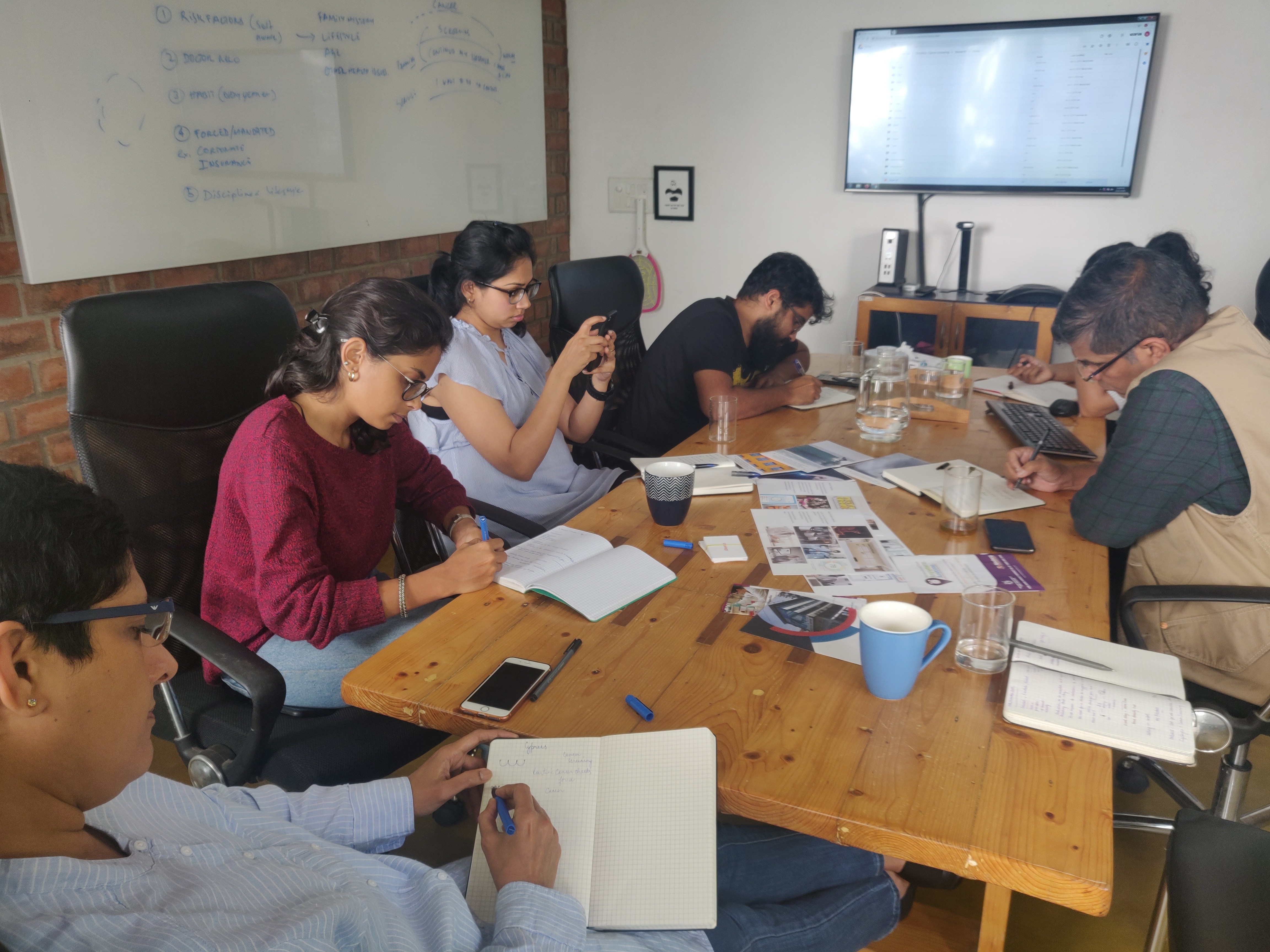
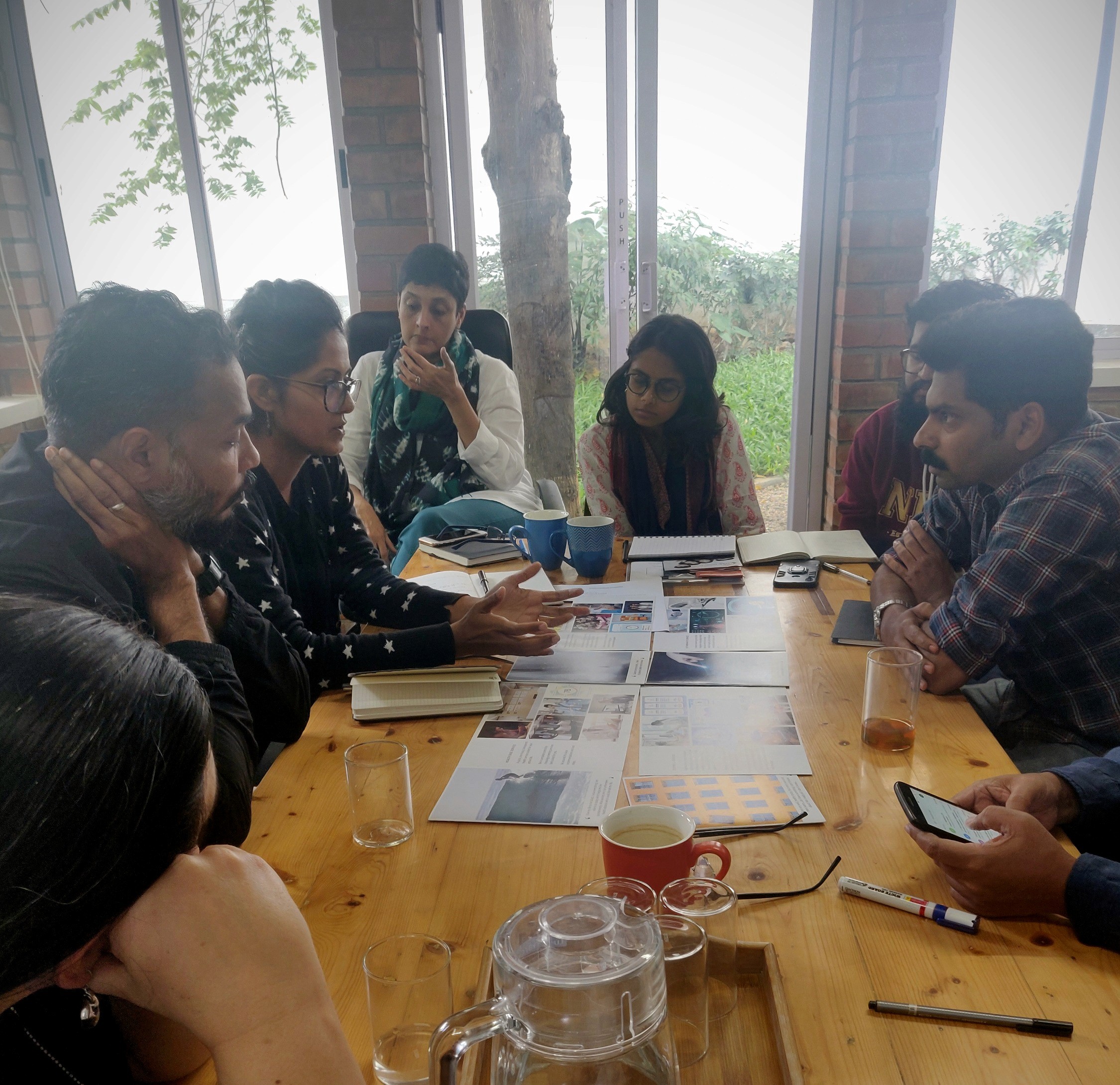
Shadowed a senior researcher through interviews to gain insights into customer preferences and inform design concepts.

Shadowed a senior researcher through interviews to gain insights into customer preferences and inform design concepts.

02

Accompanied users through existing healthcare packages to map their journeys, identify needs and pain points.

Accompanied users through existing healthcare packages to map their journeys, identify needs and pain points.

03

Interviewed potential customers of the premium service offering to understand their preferences.

Interviewed potential customers of the premium service offering to understand their preferences.

04

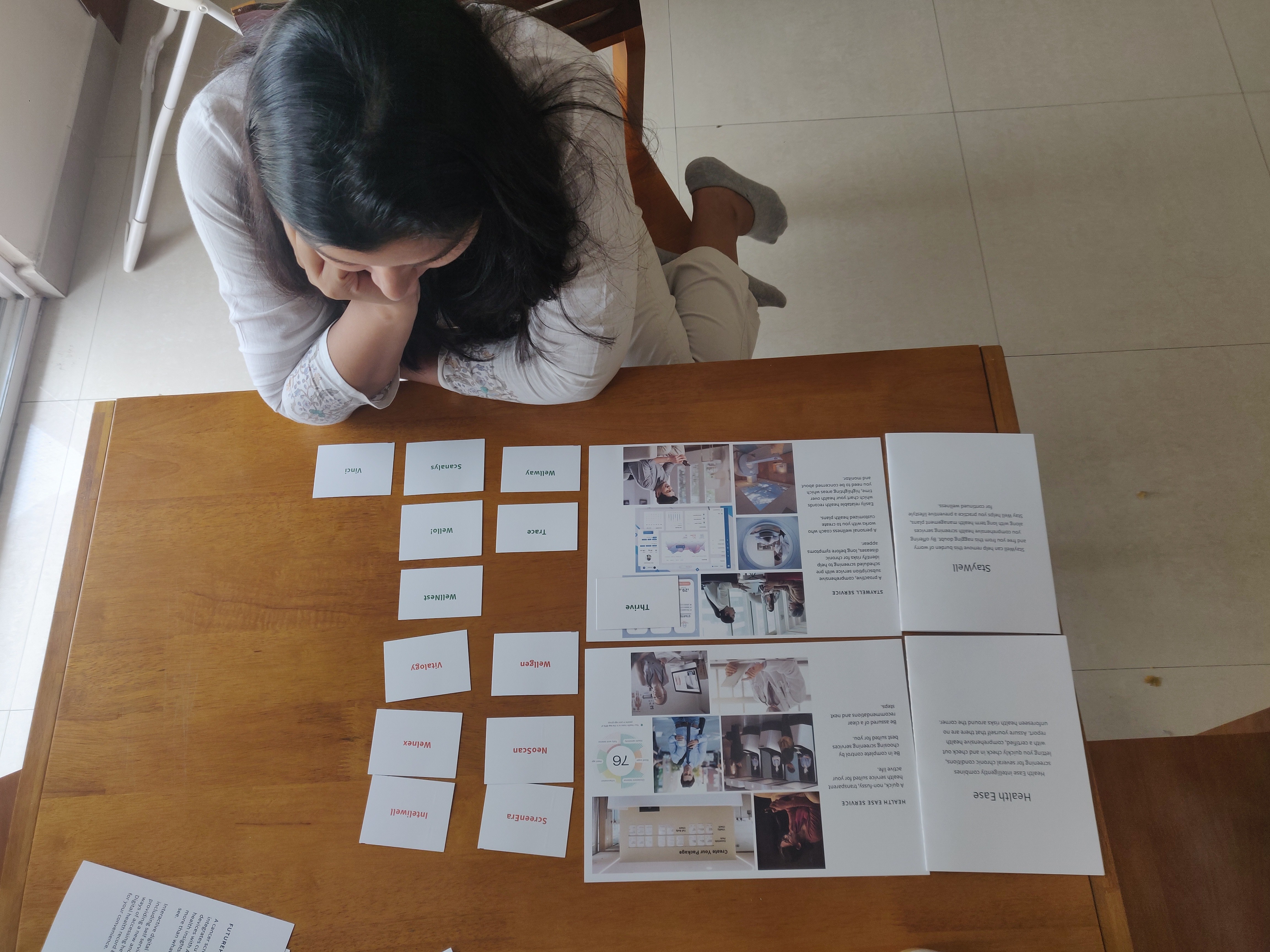
Used visual stimuli to propose service value propositions that evoked feelings associated with cancer screening.

Used visual stimuli to propose service value propositions that evoked feelings associated with cancer screening.

Insights & Synthesis

01

Cancer screening as a health practice was unfamiliar to many, so awareness was essential.

Cancer screening as a health practice was unfamiliar to many, so awareness was essential.

02

Since the service is a precautionary check-up, it needed to feel non-clinical.

Since the service is a precautionary check-up, it needed to feel non-clinical.

03

Respondents had a poor perception of existing annual health packages.

Respondents had a poor perception of existing annual health packages.

04

Respondents prioritized speed and transparency of health screening reports.

Respondents prioritized speed and transparency of health screening reports.

Creating a quick, transparent, non-fussy service

STRATEGY & Service model innovation
The key proposition was to offer a 120 mins screening. The insights directed us prioritise a scheduled visit, which would focus to feel quick, transparent, and empowering. The offerings were packages with distinct journeys for men and women. Designed for proactive health seekers, the customers are referred to them as guests and not patients.

The key proposition was to offer a 120 mins screening. The insights directed us prioritise a scheduled visit, which would focus to feel quick, transparent, and empowering. The offerings were packages with distinct journeys for men and women. Designed for proactive health seekers, the customers are referred to them as guests and not patients.

Experience Design

Key contribution

Key contribution

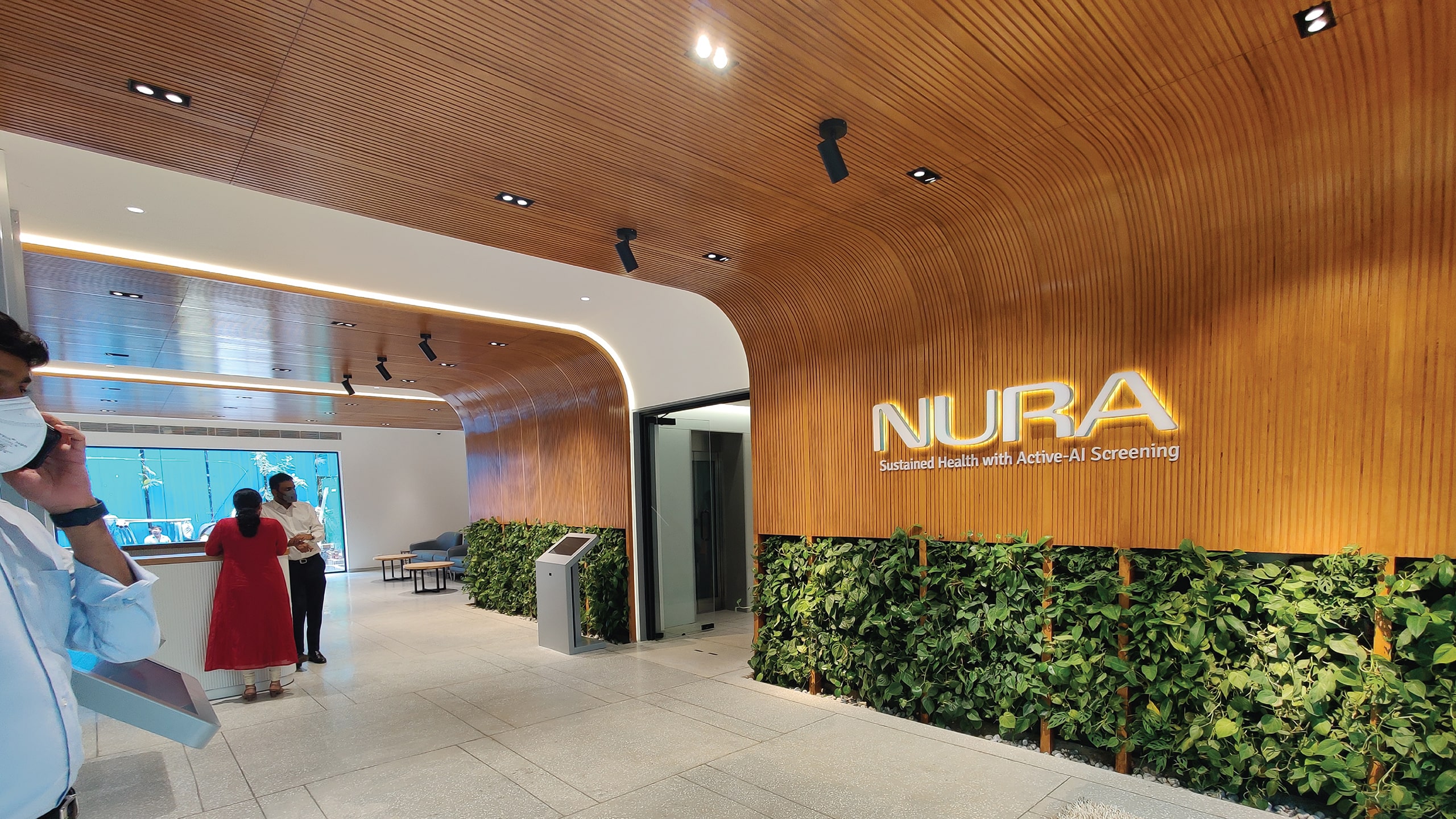
The customer experience was to reflect the brand and service brief of being high-tech, reliable, and quick-paced. Guidelines were defined for both the Service and Brand teams. I continued working with the service design team to design service touchpoints and the spatial experience.


These translated to various experiential and immersive touchpoints, such as interactive installations, kiosks, digitized reports, and tangible tables.

Capturing the finer details

Observations & Considerations for directing design
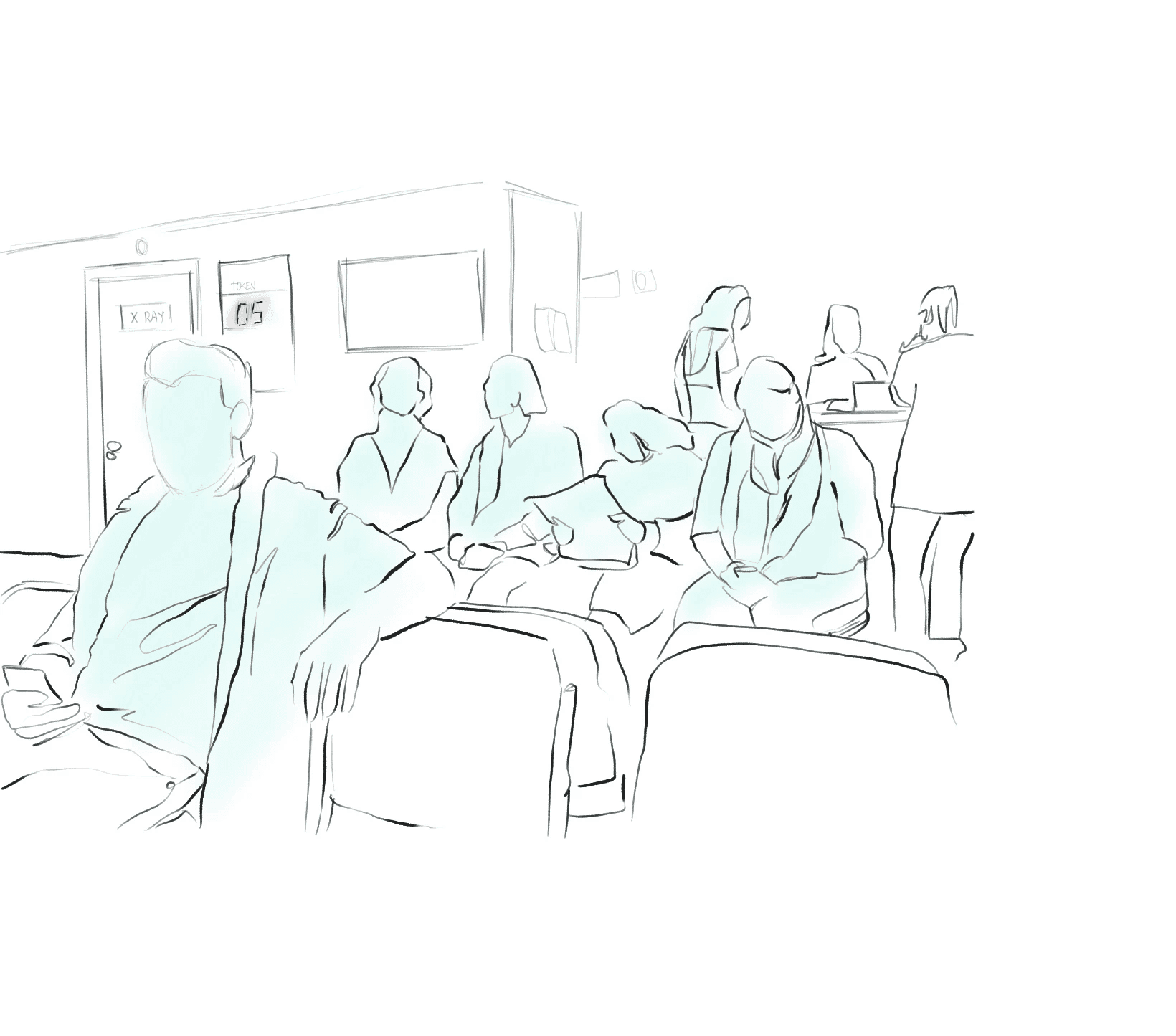
Operationally, it is quite challenging to keep track of multiple guests availing packages. Sequencing these packages optimizes operations and service delivery, reducing the overall waiting time for each customer.
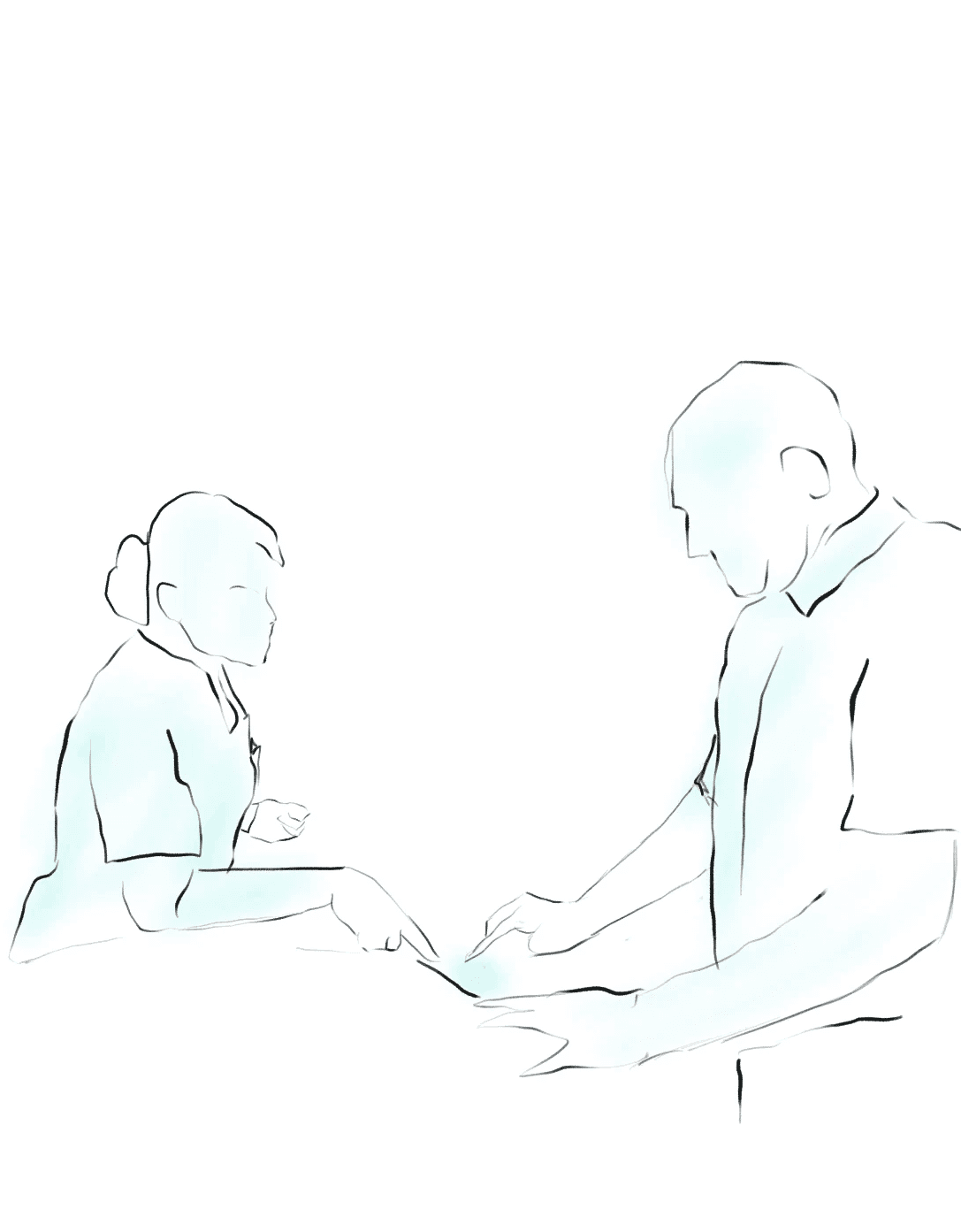
People have to move to multiple rooms to take different tests and have to constantly check with the staff to be directed through the space.
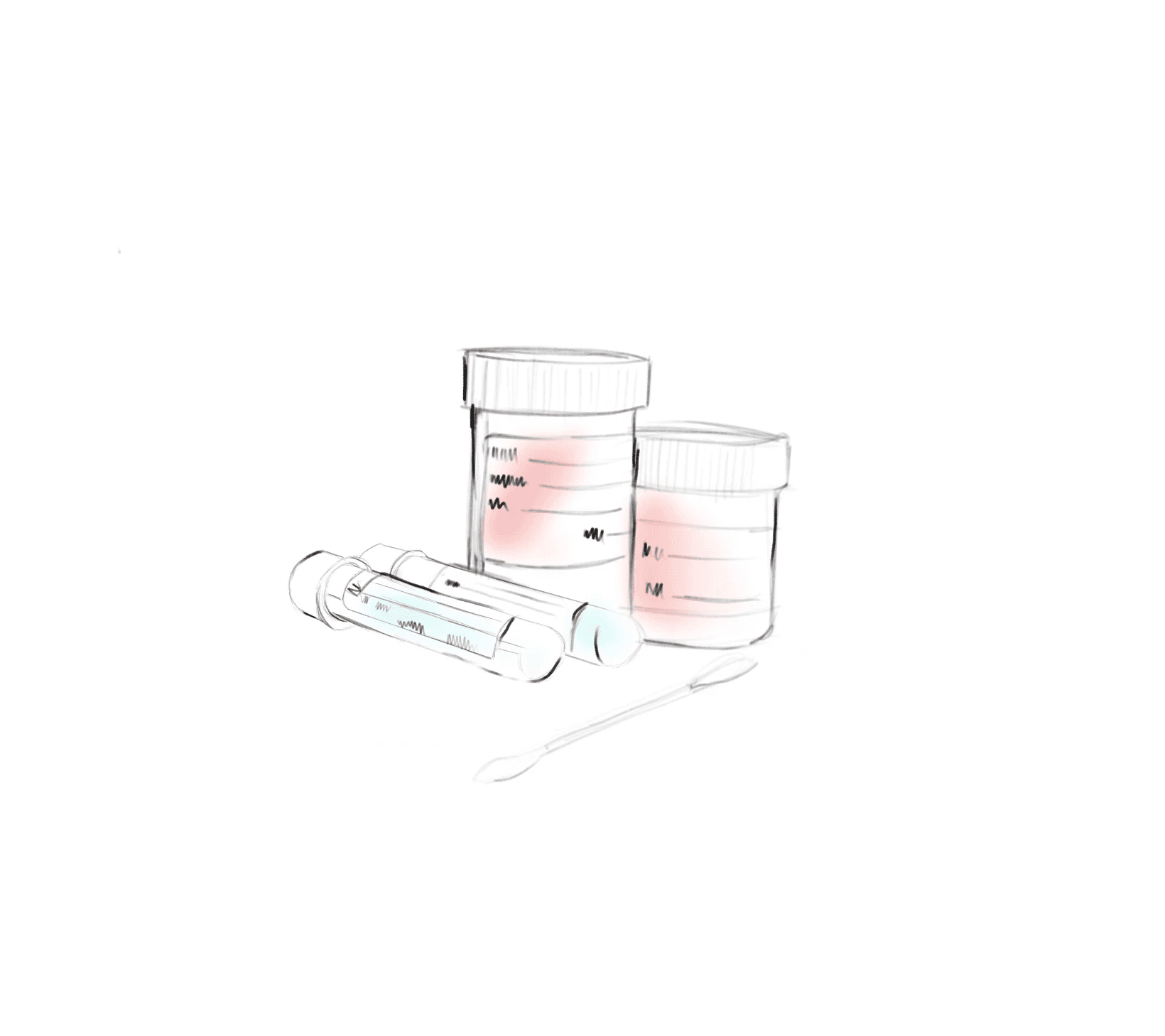
Guests are often concerned if their reports have been mixed up/misplaced. Guests have to be assured that their reports have been tagged correctly.
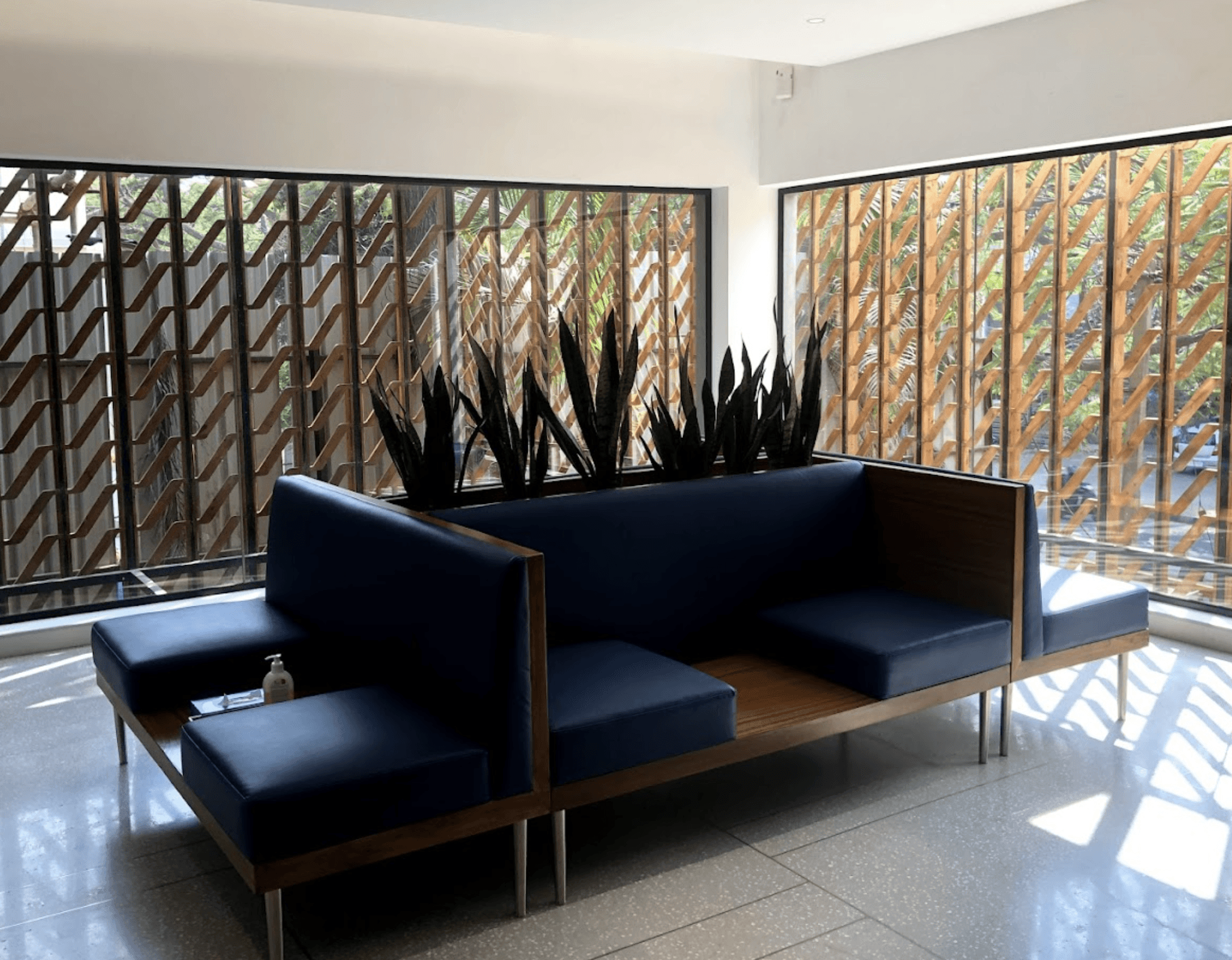
Designing for easy, wait-free navigation through the service

Designing Service Touchpoints

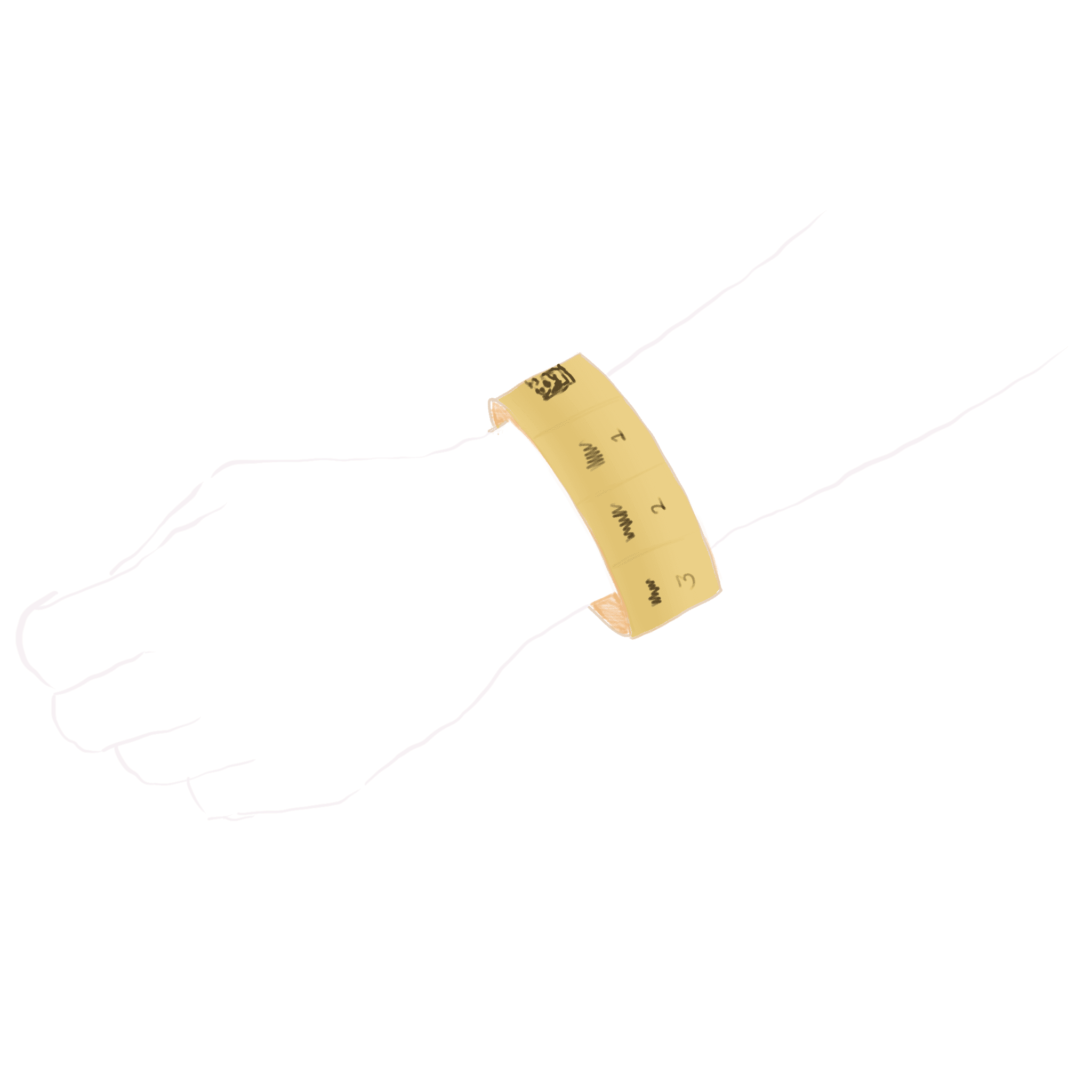
My most challenging and crucial contribution to the project was designing a scheduler that eliminated almost all waiting time between tests and fulfilled the service promise of 120 minutes.

Besides providing operational advantages, it acted as a key differentiator to elevate customer experience.It took the form of an algorithm and a guest band that was dispensed from a kiosk at the beginning of the service.
01

GUEST BAND

Each band that is dispensed from the kiosk contains a pre-generated unique schedule for each guest. The band contains a QR code that links to the guest ID with their medical records being generated after each test. ​ The printed sequence helps with way-finding for the guest to navigate through rooms they need to go through. Most importantly, this paper band does not interfere with the devices used in the medical procedures.

02

ALGORITHM ↔ OPTIMISED GUEST JOURNEY

With a deep understanding of the guest journeys and the working of the protocols, designed an algorithm to facilitate a seamless experience across the center.

  • Reduce waiting time, optimise resources.

  • Medical limitations- sequence of procedures

  • Account to tests in various rooms, report time, test duration, shared resources

  • No compromise on experience for the service user.

  • Manage occupancy

Impact

Located in Bangalore (Since 2021), Gurugram , Mumbai in India. Fujifilm plans to open 100 similar facilities in Southeast Asia, Africa, the Middle East and other regions Read More:  www.nura.in www.icarus.co.in/servicedesign/sdnura

Let’s work together

© 2026 Shraavya Komaravolu

Let’s work together

© 2026 Shraavya Komaravolu