HEALTH & SOCIAL INNOVATION | SERVICE DESIGN & STRATEGY

HEALTH & SOCIAL INNOVATION | SERVICE DESIGN & STRATEGY

Revolutionising community based last mile healthcare delivery

Revolutionising community based last mile healthcare delivery

Prerna for Medtronic Labs (USA), is a unique service for diabetes & hypertension management that integrates social and clinical intervention through the power of groups in urban underserved areas.

Prerna for Medtronic Labs (USA), is a unique service for diabetes & hypertension management that integrates social and clinical intervention through the power of groups in urban underserved areas.

designed at
TIMELINE

July 2018 - October 2019 : 1y 3m

TEAM

Researchers, Service Designers, Product Designers, Design Directors

Researchers, Service Designers, Product Designers, Design Directors

ROLE

On field Research, Service touchpoint prototyping, Information Architecture, Algorithms, Digital Product design, Handover, Client presentation

CLIENT

MEDTRONIC LABS

DISCLAIMER

To comply with my non-disclosure agreement, I have omitted and obfuscated confidential information in this case study. All information in this case study is my own and does not necessarily reflect the views of Icarus, Medtronic.
Providing last-mile healthcare
Challenge

Challenge

Design a scalable service model for Medtronic Lab to deliver healthcare to the last mile in underserved urban areas to combat the rising cases of lifestyle diseases, specifically diabetes and hypertension, taking into account human resources, physical, technical infrastructure, modes of delivery, and curriculum.

Design a scalable service model for Medtronic Lab to deliver healthcare to the last mile in underserved urban areas to combat the rising cases of lifestyle diseases, specifically diabetes and hypertension, taking into account human resources, physical, technical infrastructure, modes of delivery, and curriculum.

Outcome

Outcome

Our approach involved running a High touch pre-pilot for a group of users for a few months to validate and propose a Service design. Proposed a healthcare model that offers complete care to individuals who have type II diabetes, hypertension, or other related conditions, or those who are at risk of developing them.
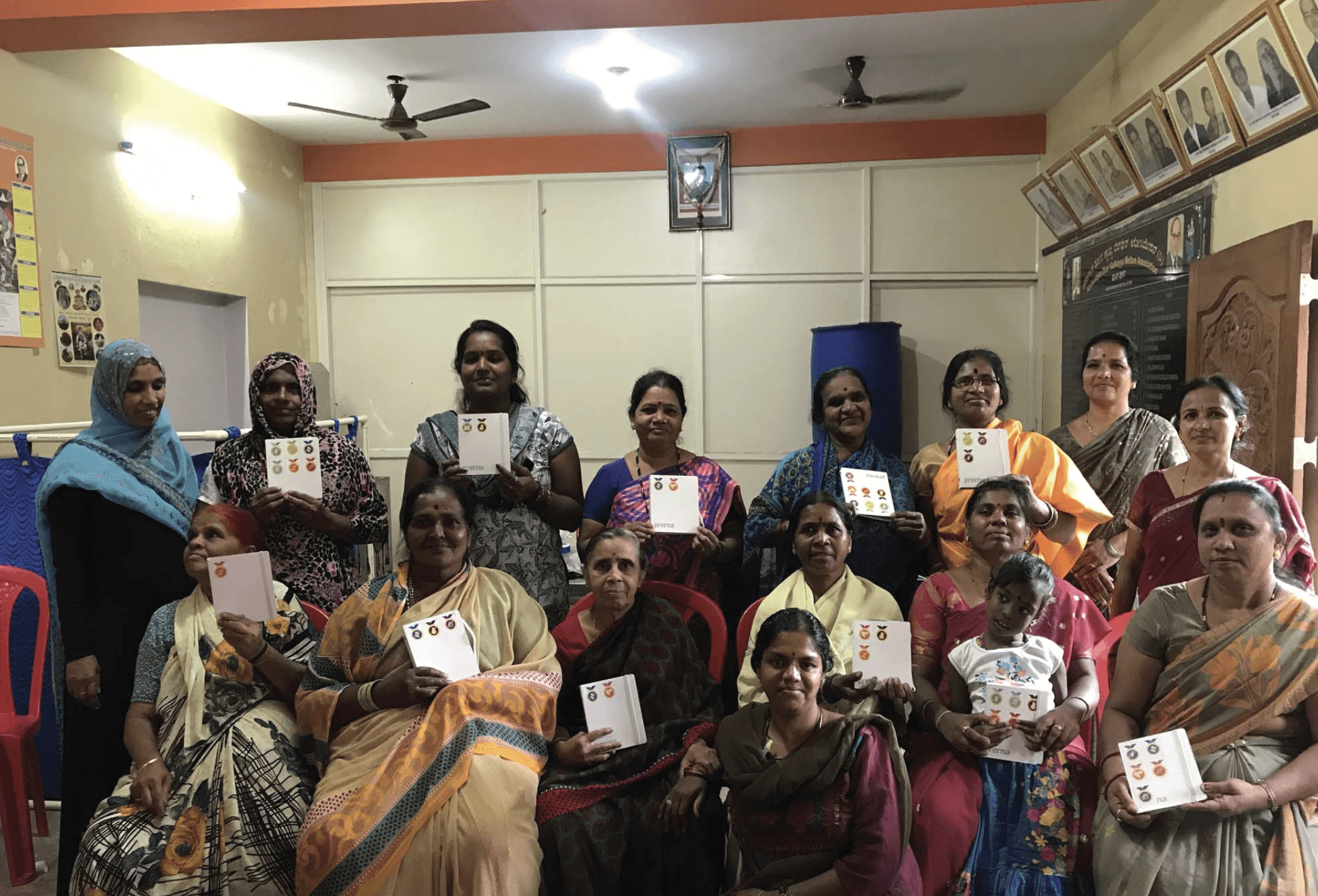
The scalable model combines social and clinical interventions in a group-based setting, which is conveniently located near the patient's home. Once enrolled, patients receive all the necessary support to manage their condition in the long term. This includes point-of-care lab testing, doctor visits, medication, education, and behavioural coaching, all within the comfort of their community.

Our approach involved running a High touch pre-pilot for a group of users for a few months to validate and propose a Service design. Proposed a healthcare model that offers complete care to individuals who have type II diabetes, hypertension, or other related conditions, or those who are at risk of developing them.
The scalable model combines social and clinical interventions in a group-based setting, which is conveniently located near the patient's home. Once enrolled, patients receive all the necessary support to manage their condition in the long term. This includes point-of-care lab testing, doctor visits, medication, education, and behavioural coaching, all within the comfort of their community.

Role

Role

As part of a small design team, I actively contributed to all phases of the project, from research and service design to on-field prototype testing in the community and digital infrastructure development. Leveraging my technical skills, I played a key role in translating service requirements into a digital infrastructure that supported the service across four interoperable applications.

As part of a small design team, I actively contributed to all phases of the project, from research and service design to on-field prototype testing in the community and digital infrastructure development. Leveraging my technical skills, I played a key role in translating service requirements into a digital infrastructure that supported the service across four interoperable applications.

Immersion
Immersion

USER INTERVIEWS, SCOPING, CLINICIAN INTERVIEWS

01

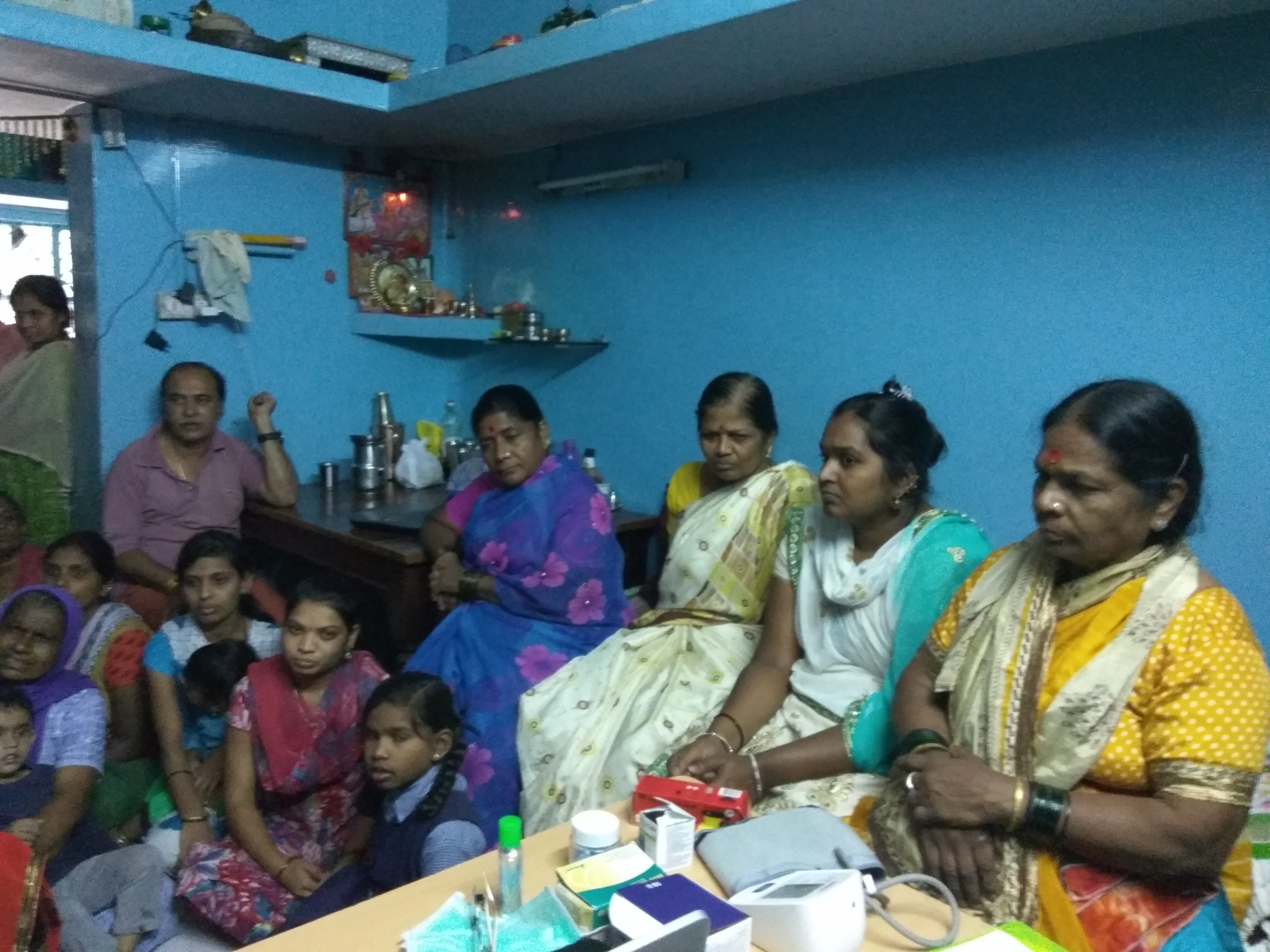
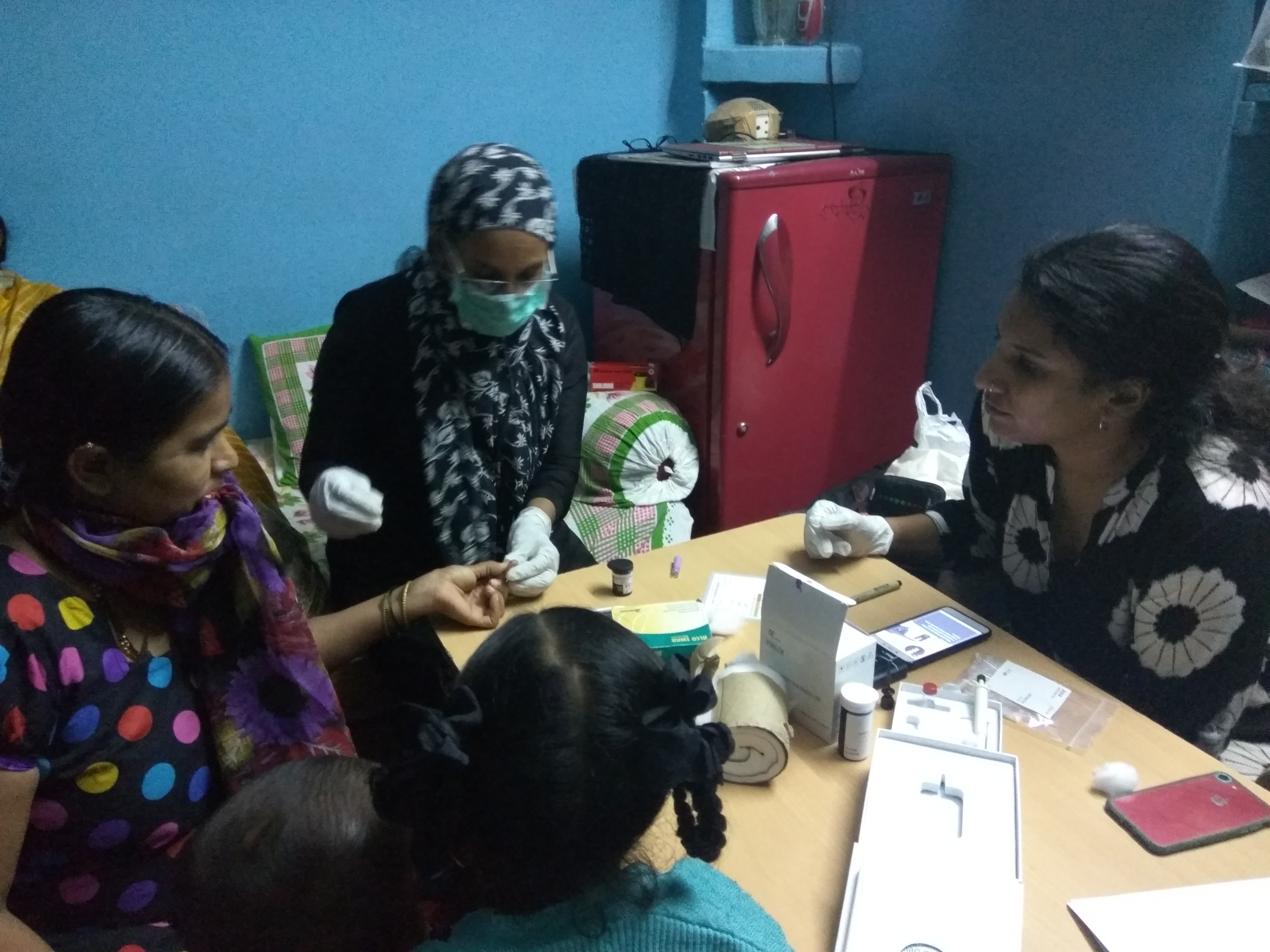
Coincidentally, the project kickoff and my stint at Icarus began together, I shadowed a Senior Researcher to conduct user interviews. We conducted onsite user interviews of our potential service users to understand their living conditions, lifestyles, eating, social behaviours, and how they cope with NCDs

Coincidentally, the project kickoff and my stint at Icarus began together, I shadowed a Senior Researcher to conduct user interviews. We conducted onsite user interviews of our potential service users to understand their living conditions, lifestyles, eating, social behaviours, and how they cope with NCDs

02

Our research subjects were primarily daily wage workers or wives of contractual workers aged between 30-60 who were coping with or recently diagnosed with NCDs.

Our research subjects were primarily daily wage workers or wives of contractual workers aged between 30-60 who were coping with or recently diagnosed with NCDs.

'My husband said he’ll take me to a good hospital, not a government one' Mary, 45

'My husband said he’ll take me to a good hospital, not a government one' Mary, 45

'I will eat in peace, so what if I die early?' 
Raja, 38

'I will eat in peace, so what if I die early?' 
Raja, 38

'I'll just take half extra if I forget my morning dosage'
Roopa, 32

'I'll just take half extra if I forget my morning dosage'
Roopa, 32

Research

01

Logistic concerns and the proliferation of quacks fuel skepticism and disbelief in existing healthcare systems. Government-subsidized medications are often perceived as inferior and cheaper, making clinical care seem expensive.

Logistic concerns and the proliferation of quacks fuel skepticism and disbelief in existing healthcare systems. Government-subsidized medications are often perceived as inferior and cheaper, making clinical care seem expensive.

02

Battling the stigma of being labeled "sick/incapable" for a lifelong disease, men who considered themselves providers found it easier to ignore the disease altogether.

Battling the stigma of being labeled "sick/incapable" for a lifelong disease, men who considered themselves providers found it easier to ignore the disease altogether.

03

Many resorted to procuring medicines directly for pharmacy or even telemarketing. Self-medication and altering dosage on non-compliance of medication was common.

Many resorted to procuring medicines directly for pharmacy or even telemarketing. Self-medication and altering dosage on non-compliance of medication was common.

Synthesis & Service pillars

SERVICE PRIORITIES

Focus  on affordability and proximity

Focus  on affordability and proximity

01

Lower fear and Denial: Safe space for normalization and acceptance

Lower fear and Denial: Safe space for normalization and acceptance

02

Reliance: Doctor as a source of clinical authority

Reliance: Doctor as a source of clinical authority

03

Support: Motivation to participate in one’s own care

Support: Motivation to participate in one’s own care

Designing for behavior change

Service Prototype

BEHAVIOURAL DESIGN, SERVICE TOUCH POINTS, CURRICULUM DESIGN
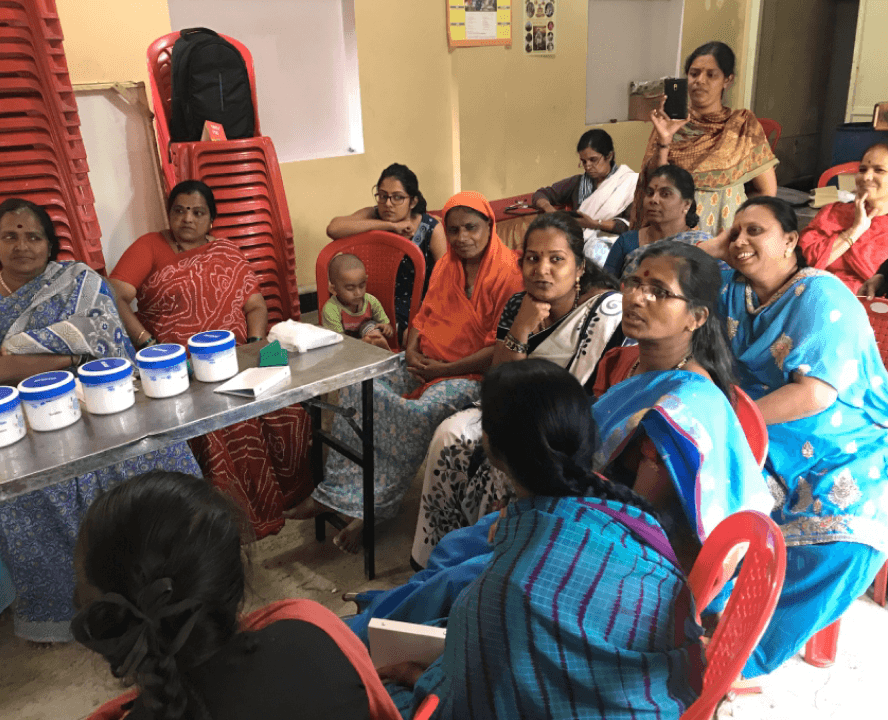
Mapped existing user journeys from the onset of symptoms to NCD management and identified pain points with the current medical systems.An important insight was that there was almost no guidance given on food and exercise along with clinical advice.

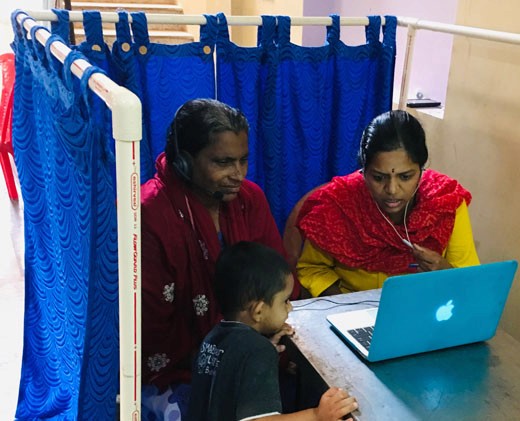
Juxtaposing the gaping holes in a user’s NCD management journey, we proposed a service model and created touchpoints that would cover both clinical and non clinical aspects. We tested and iterated the hypothesis of the operational model. We prototyped a concierge service for more than 2 months, facilitated by the design team.

Mapped existing user journeys from the onset of symptoms to NCD management and identified pain points with the current medical systems.An important insight was that there was almost no guidance given on food and exercise along with clinical advice.

Juxtaposing the gaping holes in a user’s NCD management journey, we proposed a service model and created touchpoints that would cover both clinical and non clinical aspects. We tested and iterated the hypothesis of the operational model. We prototyped a concierge service for more than 2 months, facilitated by the design team.

Touchpoints

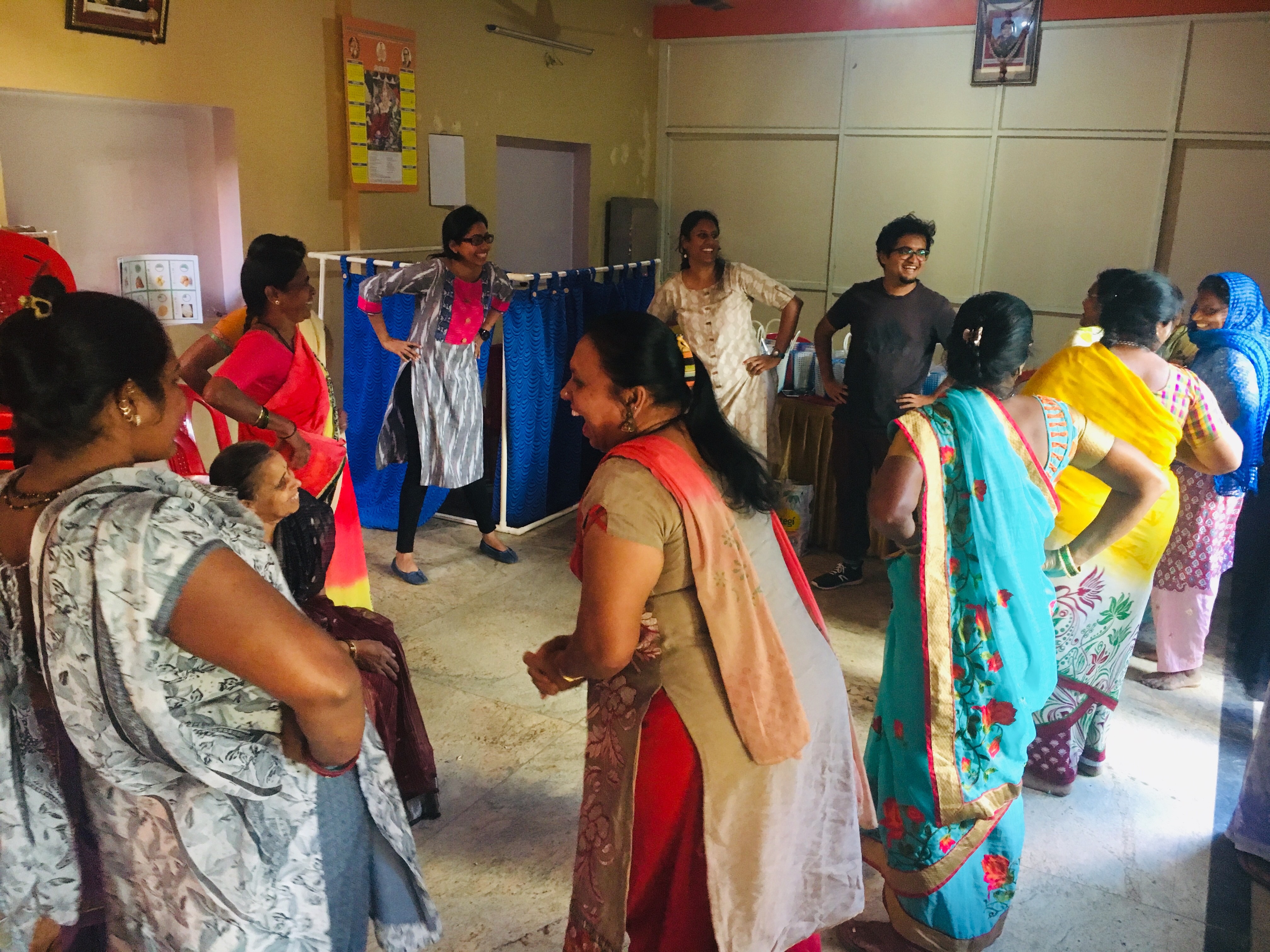
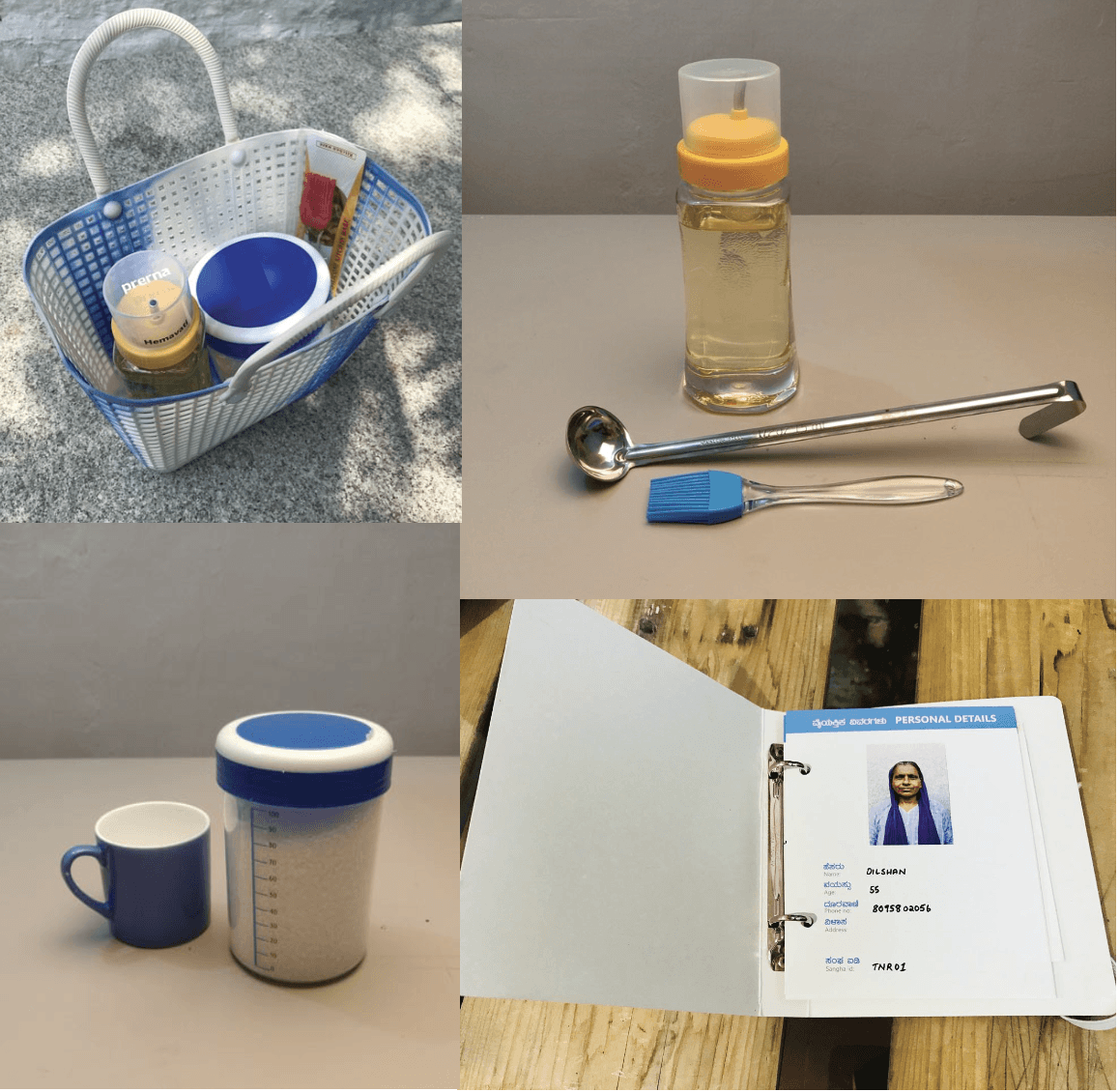
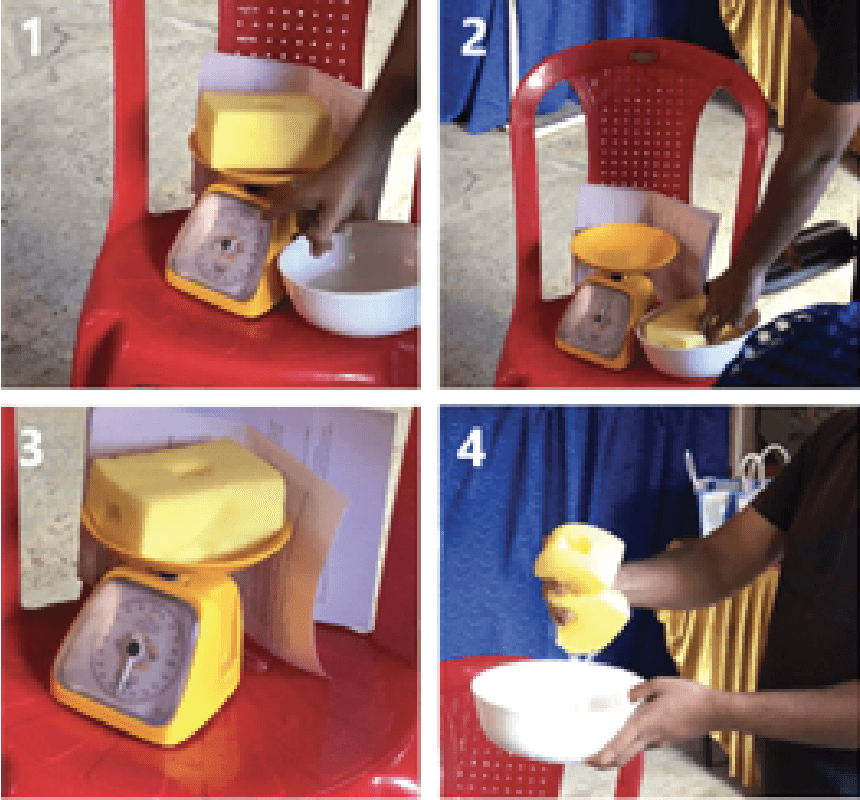
We designed the behavior change interventions of learning, and the training modules for the Health Coach to deliver them.
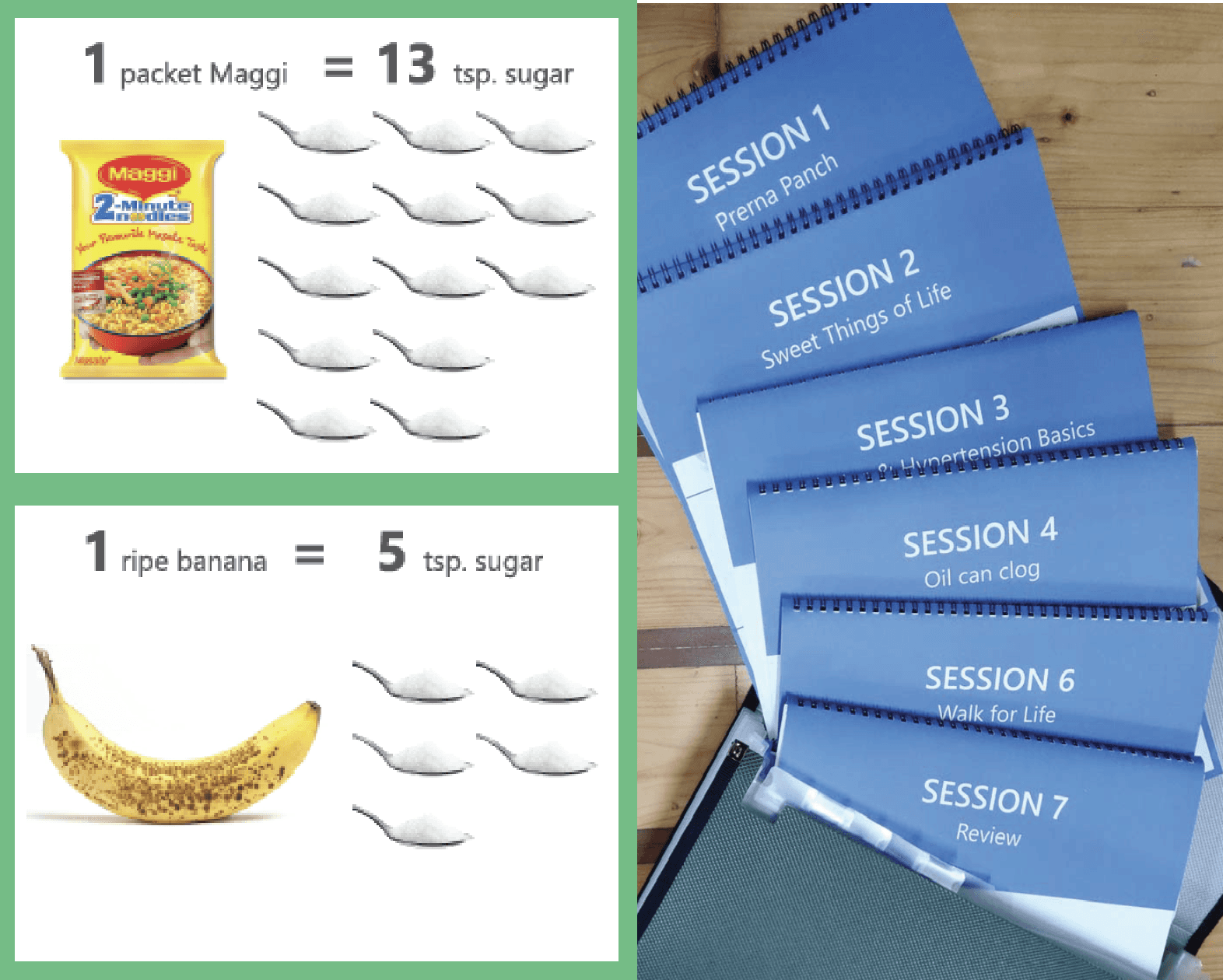
Information session to build awareness on the health condition by correlating it to their daily habits.

Information session to build awareness on the health condition by correlating it to their daily habits.

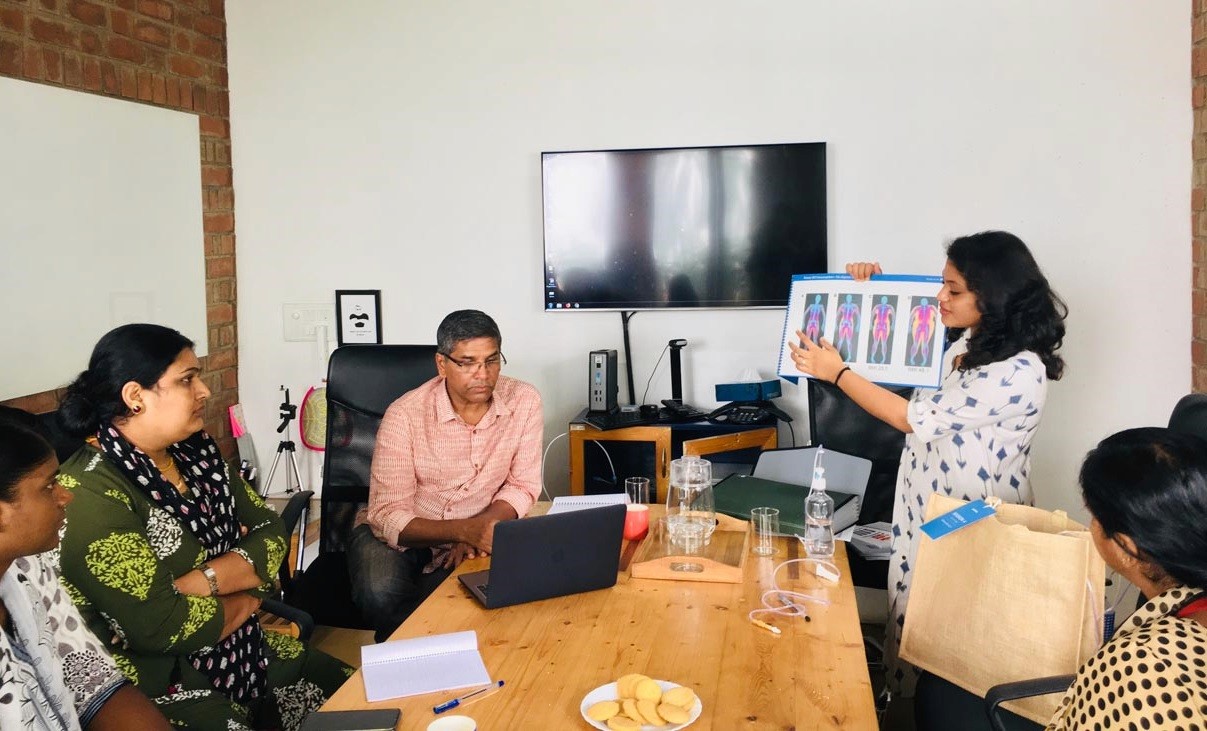
Demonstrations to explain the condition, complications in a manner that is relatable and comprehensible.

Demonstrations to explain the condition, complications in a manner that is relatable and comprehensible.

Demonstrations to explain the condition, complications in a manner that is relatable and comprehensible.Small, targeted and easy to adopt tasks to keep the members motivated. Takeaways to help the members achieve their therapeutic goals and which are measurable for the care team to record compliance.

Demonstrations to explain the condition, complications in a manner that is relatable and comprehensible.Small, targeted and easy to adopt tasks to keep the members motivated. Takeaways to help the members achieve their therapeutic goals and which are measurable for the care team to record compliance.

Small, targeted and easy to adopt tasks to keep the members motivated.

Takeaways to help the members achieve their therapeutic goals and which are measurable for the care team to record compliance.

smaller details

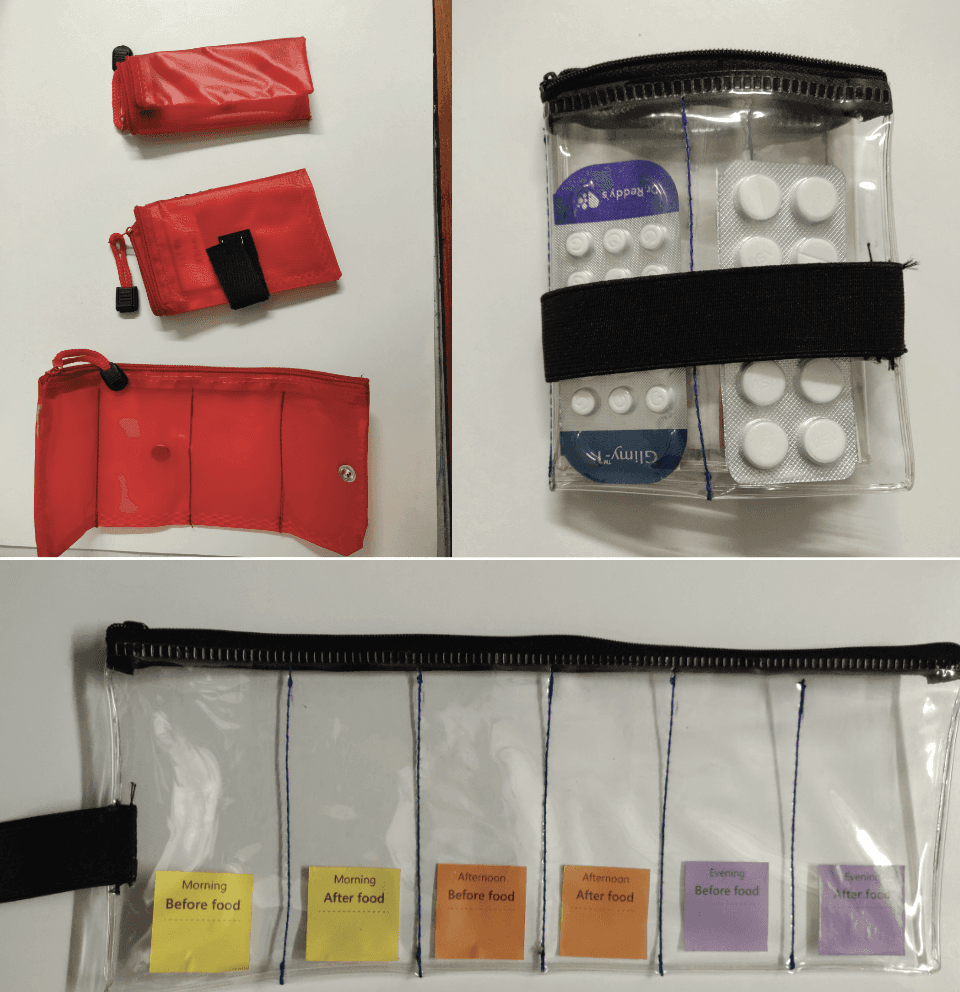
I designed a medicine pouch to solve a small yet critical concern for people who work physical jobs and find it difficult to: remember and carry their medicines to work know the dosage and time to take their medicines keep their medicines away from water.

I designed a medicine pouch to solve a small yet critical concern for people who work physical jobs and find it difficult to: remember and carry their medicines to work know the dosage and time to take their medicines keep their medicines away from water.

Technology that aids the portability of the service

Digital Product Design
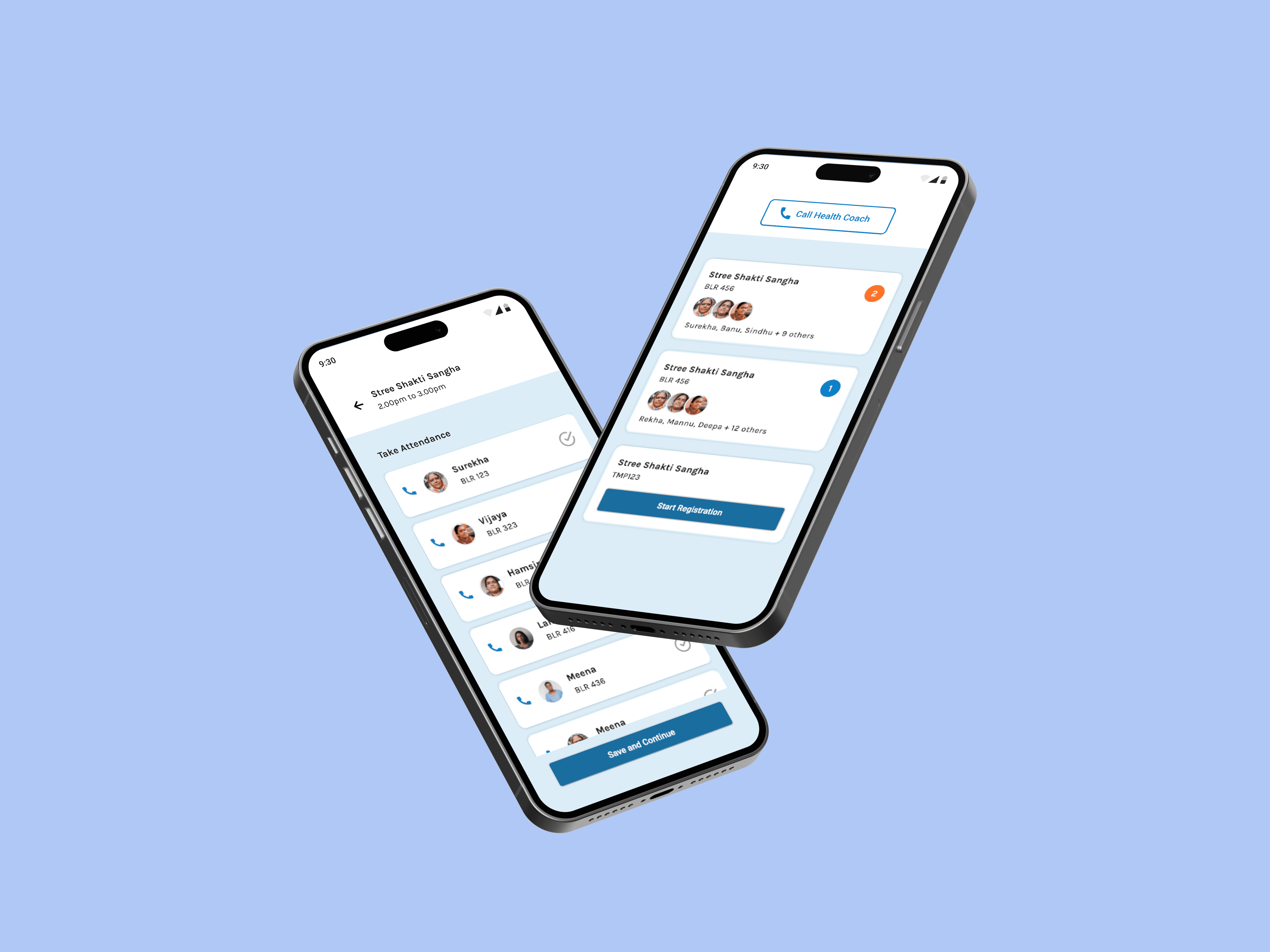
Designed 4 digital products to aid on-field service delivery, with each stakeholder having a unique role in the smooth execution of the service. The design was kept minimal and simplistic to accommodate the literacy of the varied user groups.

Designed 4 digital products to aid on-field service delivery, with each stakeholder having a unique role in the smooth execution of the service. The design was kept minimal and simplistic to accommodate the literacy of the varied user groups.

Besides providing operational advantages, it acted as a key differentiator to elevate customer experience.

It took the form of an algorithm and a guest band that was dispensed from a kiosk at the beginning of the service.

Besides providing operational advantages, it acted as a key differentiator to elevate customer experience.

It took the form of an algorithm and a guest band that was dispensed from a kiosk at the beginning of the service.

01

MOBILE APP FOR ONFIELD COORDINATOR

The coordinator manages smaller tasks like mobilising the women in the community. The app design is highly visual as the users have limited understanding of using apps.
02

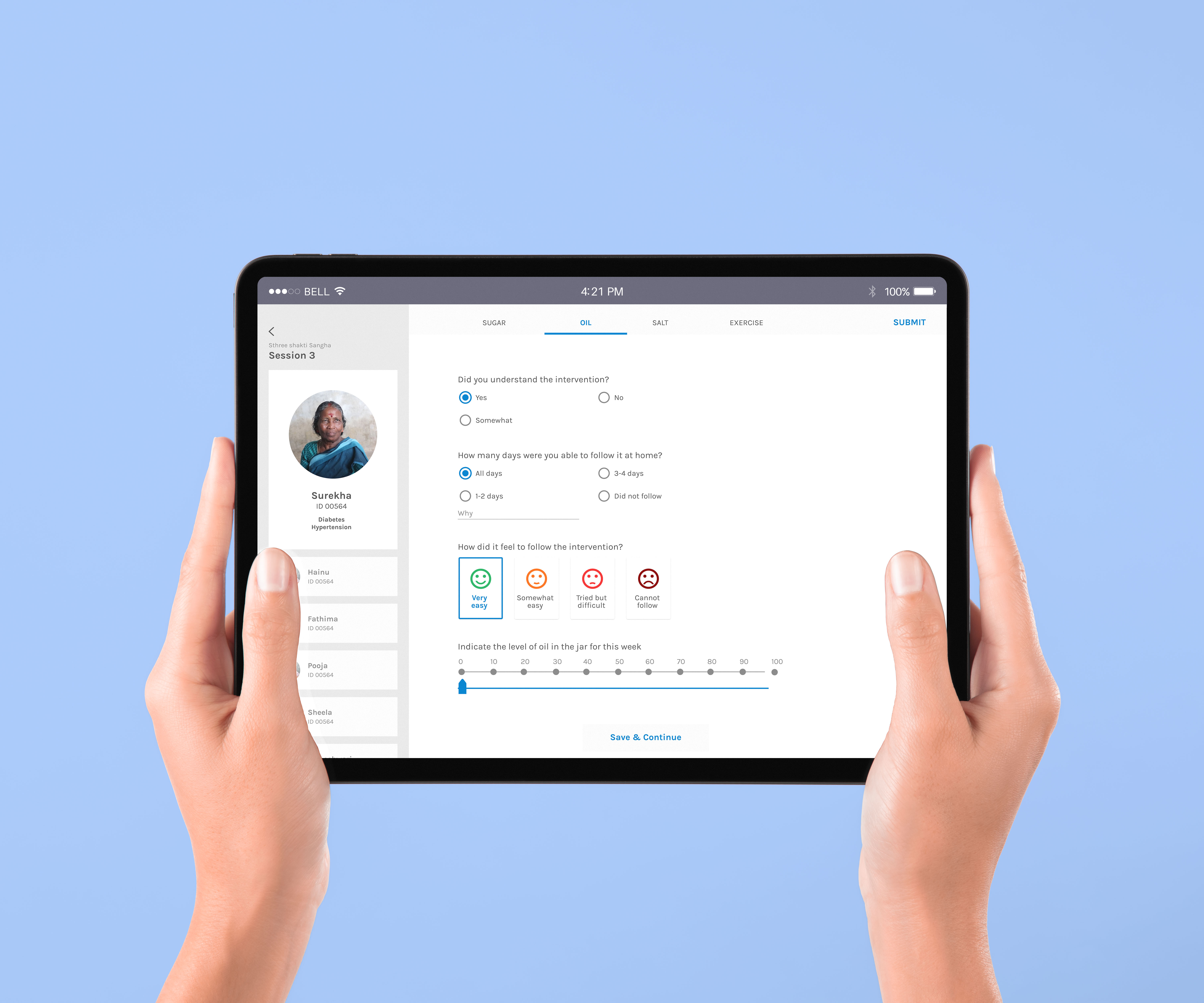
Tablet application for the community health worker

She coordinates with the doctor and community leader on the other end, delivers learning modules, and facilitates teleconsultations with the doctor.
03

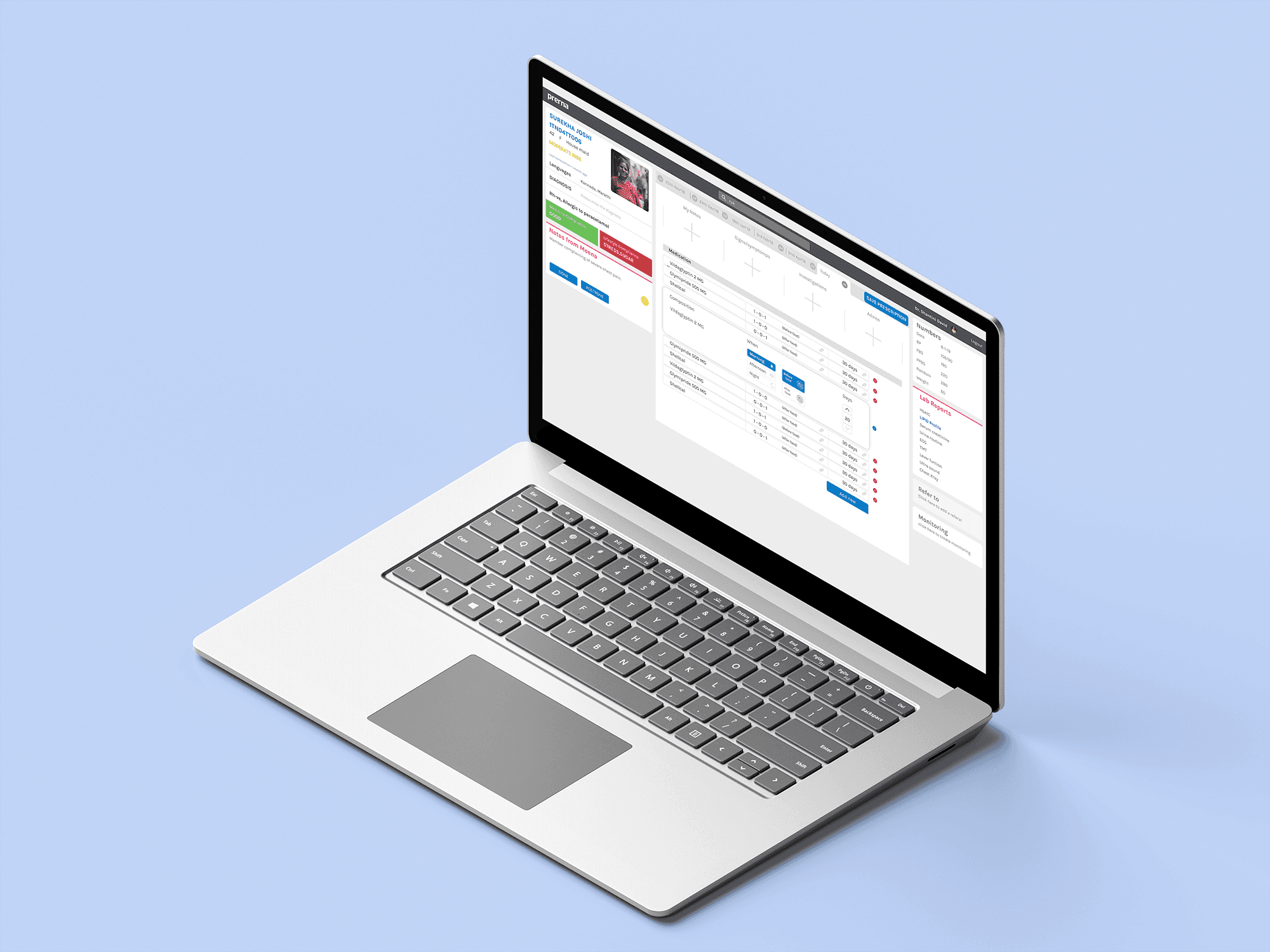
Webapp for the Doctor

The Doctor can monitor patients progress with built in Teleconsultation module, to generate prescriptions realtime.
04

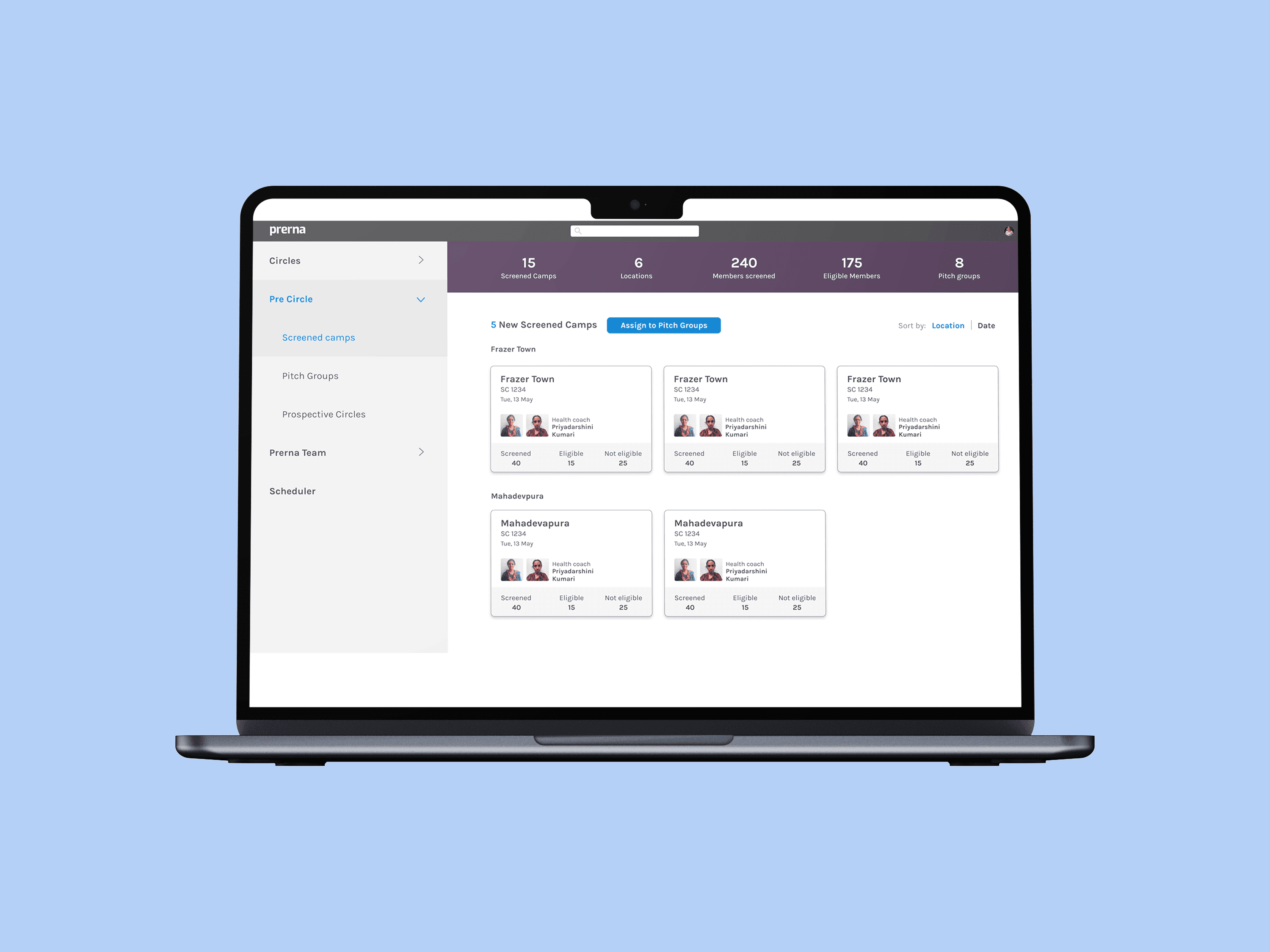
Webapp for the ADMIN

Webapp for the Doctor to monitor patients progress with built in Teleconsultation module, to generate prescriptions realtime.

Driving the apps with business logic

ALGORITHM Design

I helped conceptualize algorithms for critical service elements, such as managing patient records and monitoring progress, which supported the operational model of the service.
To simplify the design requirements for the technical team, I constructed dataflow maps to detail the implementation requirements for the developers.

01

Screening algorithm to determine eligibility for a unique group-based program.

02

Group formation algorithm that considers various factors to suggest the ideal group.

03

One of the most challenging algorithms was the Customized Scheduler Algorithm, which allotted resources and triggered tasks to different apps and supported real-time on-field changes.

04

To manage and visualize patient records, a medicine compliance algorithm to evaluate medication conformity and cadence towards on-field interventions, and a lifestyle compliance algorithm were developed.
These inputs fed into the risk score generating algorithm.

Impact

Prerna was piloted in five different locations in India in 2019 and implemented in the Philippines and Africa.
More on:  Medtronic Labs

NEXT PROJECT

NEXT PROJECT

Let’s work together

© 2026 Shraavya Komaravolu

Let’s work together

© 2026 Shraavya Komaravolu